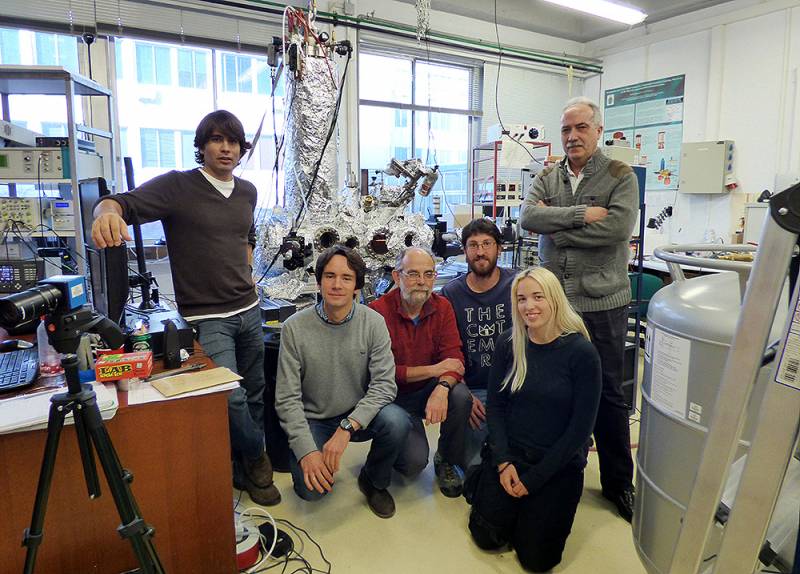
Graphene has extraordinary mechanical and electronic properties, but no magnetic properties. This can be made up for with the help of the lightest element: hydrogen, which transfers its magnetic moment on coming into contact with graphene. This has been demonstrated by a team of European scientists coordinated by the physicist Iván Brihuega from the Autonomous University of Madrid.
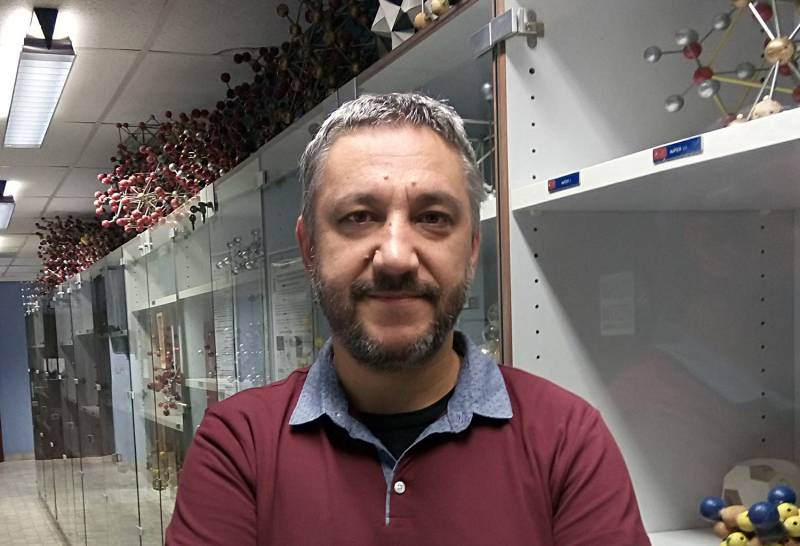
Graphene is starring the largest European research initiative to date, Graphene Flagship, but within this megaproject are also being promoted studies of other two-dimensional materials, such as TMD. Their interesting properties can be applied in electronics, spintronics and a third field: valleytronics, as the physicist Dr. Lucian Covaci of the University of Antwerp explains in this interview.

In the future, the exceptional properties of graphene will make car seats and aircraft antenna protection enclosures lighter, which will reduce fuel consumption. These are just two examples of the uses of this revolutionary material exhibited during the last week of September in Athens, where companies and research centres presented their latest results for producing it at an industrial level.
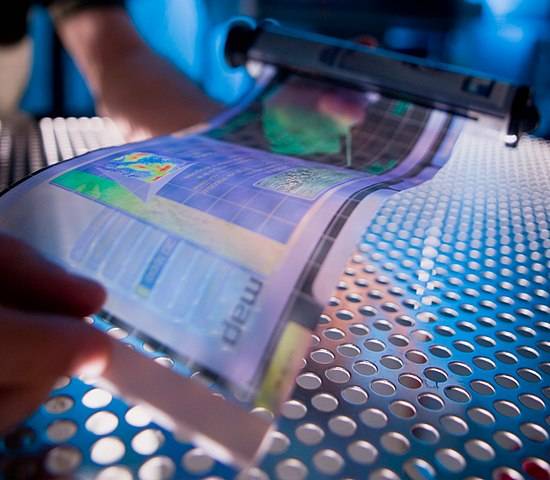
Due to its excellent properties, graphene aims to revolutionize not only industry, but also our daily lives, with devices of unprecedented flexibility. But before making history, it has to face its main obstacle: low profitability. Scientists from the European project Gladiator present this week at the Graphene Week in Athens a new technique and methodology to monitor the growth of graphene that will improve the quality and reduce the fabrication costs of the material.
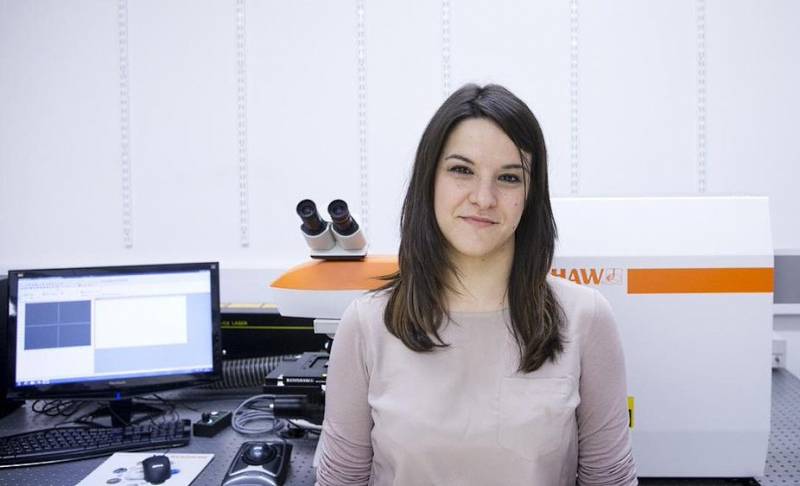
Professor Cinzia Casiraghi leads a laboratory specializing in graphene and other 2-Dimensional materials at the University of Manchester (United Kingdom), with which they manufacture photodetectors and electronic memories by means of ink-jet printing. Getting up to this point has not been an easy task for this Italian engineer, as she explained during the meeting Women in Graphene held recently in London.
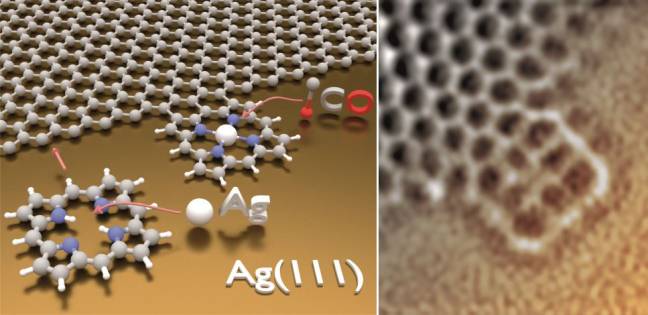
Porphyrins, the same molecules that convey oxygen in haemoglobin and absorb light during photosynthesis, can be joined to the material of the future, graphene, to give it new properties. This was recently shown by a team of scientists at the Technical University of Munich, in which a Spanish researcher also participated. The resulting hybrid structures could be used in the field of molecular electronics and in developing new sensors
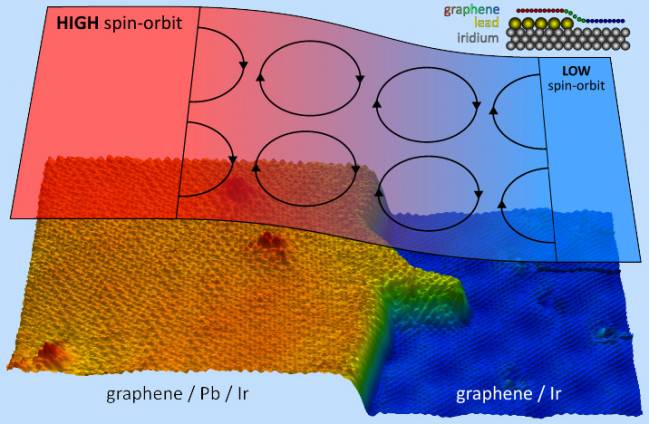
Researchers in Spain have discovered that if lead atoms are intercalated on a graphene sheet, a powerful magnetic field is generated by the interaction of the electrons’ spin with their orbital movement. This property could have implications in spintronics, an emerging technology promoted by the European Union to create advanced computational systems.

A group of European researchers are developing a next generation graphene based scanner which will allow hitherto unknown aspects of works of art and other historic objects to be revealed. The equipment will enable the viewing of hidden images on canvases and unveil what is hidden inside three dimensional objects sealed centuries ago.
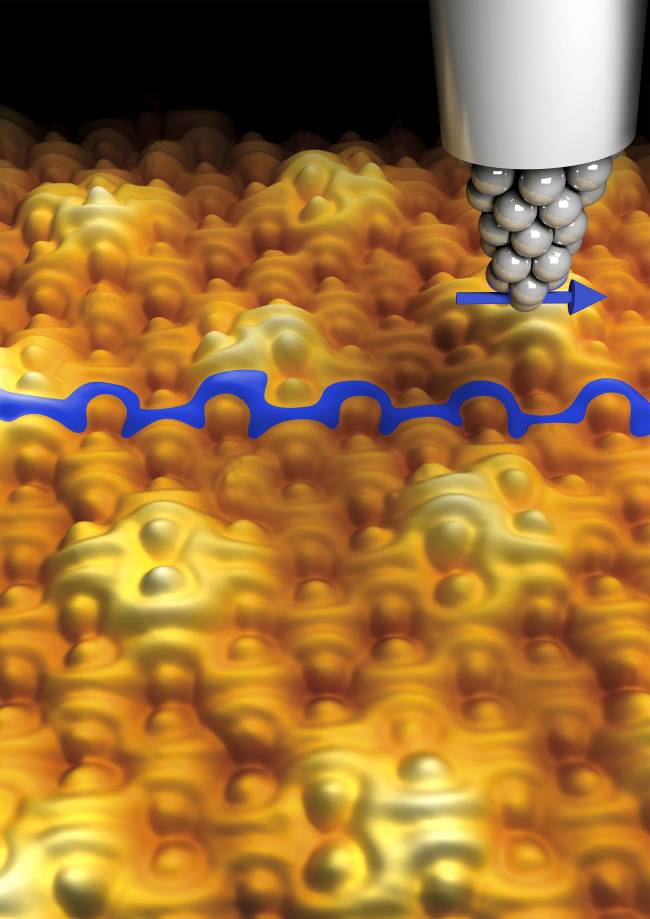
Researchers from IMDEA-Nanociencia Institute and from Autonoma and Complutense Universities of Madrid (Spain) have managed to give graphene magnetic properties. The breakthrough, published in the journal ‘Nature Physics’, opens the door to the development of graphene-based spintronic devices, that is, devices based on the spin or rotation of the electron, and could transform the electronics industry.
Lo sentimos, Inténtalo de nuevo más tarde. .