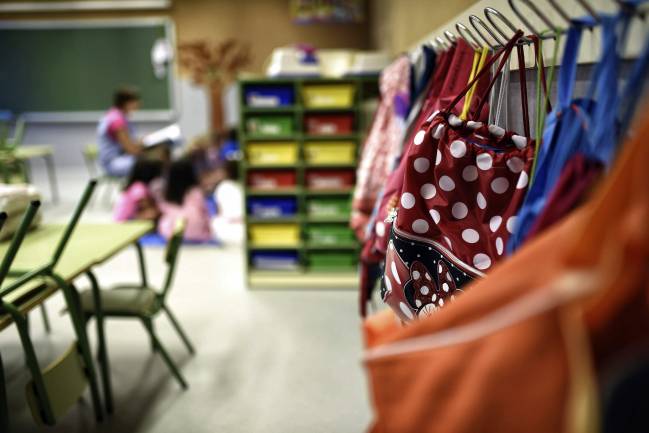
The UN Committee on the Rights of Persons with Disabilities has published a forceful report on the Spanish educational system, reporting on the unfair and discriminatory treatment of thousands of children. The group of experts claims that the right to an inclusive education is being violated in Spain. We have a moral obligation and the legal imperative to ensure that our schools are designed for all students.

In collaboration with other national institutions, researchers at Universidad Carlos III de Madrid (UC3M) are designing a new therapeutic tool for motor rehabilitation for children. In this project, an interactive social therapist robot, which is totally autonomous, is able to perceive patients’ reactions and determine if they are doing their exercises correctly.
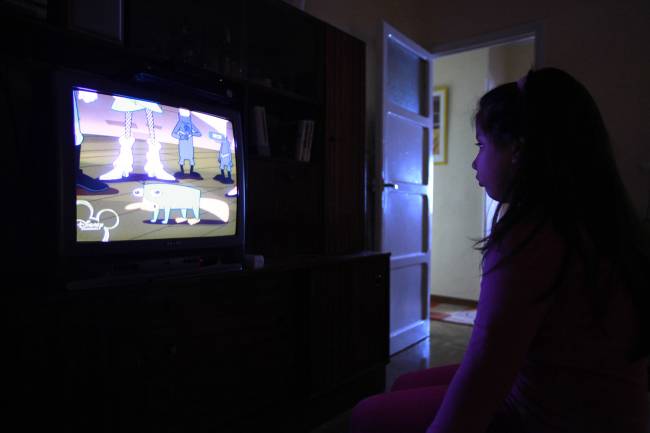
A study on European children concludes that spending more than two hours a day in front of a screen increases the probability of high blood pressure by 30%. The article also points out that doing no daily physical activity or doing less than an hour a day increases this risk by 50%.
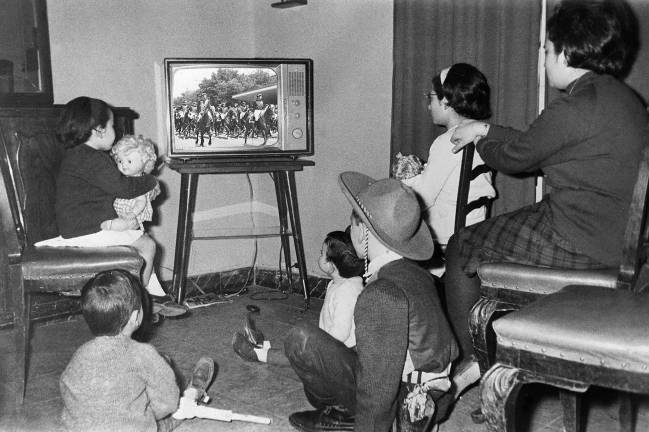
Several children’s programs were aired during the Franco regime; however, they did not have their own programming. Children, otherwise known as young adults, could watch the television during a limited schedule, on one channel. For the first time, a study has analysed 112 children’s programs broadcast between 1958 and 1975, concluding that the aim was to religiously and patriotically educate children; and later, focusing on the social and economical situation of the country.

A Universidad Carlos III de Madrid (UC3M) study analyzes the processes that influence the formation of occupational aspirations in preadolescent boys and girls, with special attention focused on factors that influence in the choice of typical occupations for each gender. According to the research, among other factors that influence in the choice are the studies of the child’s parents and the child’s own self esteem.
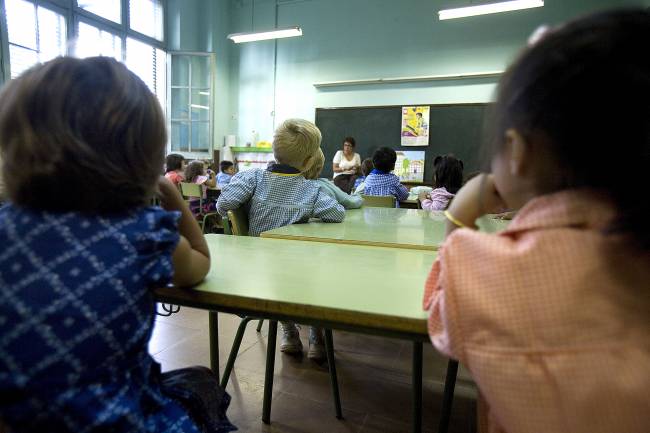
Researchers from the University of Murcia have studied the changes in the brain that are associated with impulsiveness, a personality trait that causes difficulties in inhibiting a response in the face of a stimulus and leads to unplanned actions without considering the negative consequences. These patterns can serve as an indicator for predicting the risk of behavioural problems.

Children love fatty and sugary foods. Or do they? New research contradicts the idea that all children under the age of ten have the same taste in food and highlights the importance of the country of residence, culture and age in these preferences.

The level of education of parents has an influence on the frequency with which their children eat foods linked to obesity. The children of parents with low and medium levels of education eat fewer vegetables and fruit and more processed products and sweet drinks.
Lo sentimos, Inténtalo de nuevo más tarde. .