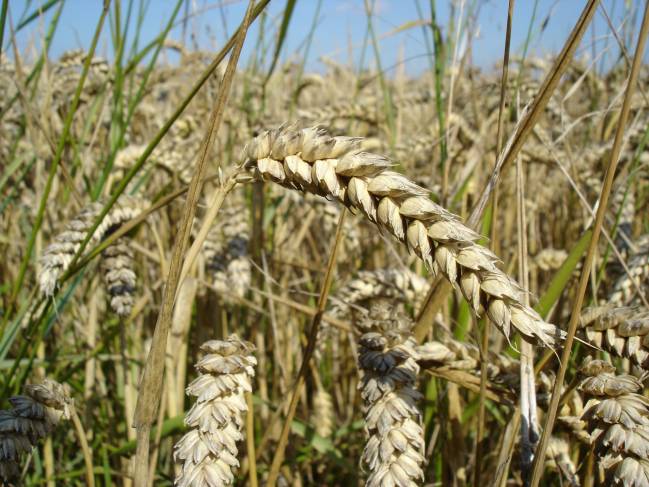
Wheat, one of the most widely consumed grains in the world, contains gluten, a mixture of proteins that can be toxic for people with coeliac disease. A new study that analysed the toxic components of these proteins in various varieties of wheat makes the first step forward towards developing wheat-based products that are safe for coeliacs.
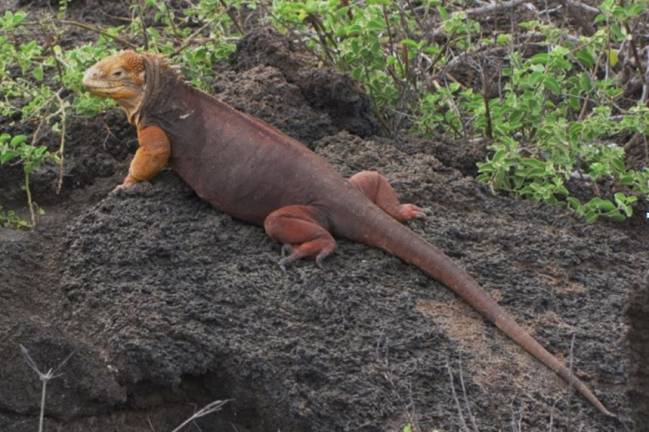
The isolation of ocean islands like the Galápagos prevents the arrival of large mammals, which disperse the seeds of many plants by ingesting them. In the absence of mammals, this function is filled by birds, tortoises, lizards and iguanas. To date, no investigation had been carried out into the role iguanas play with at least ten species of plants.
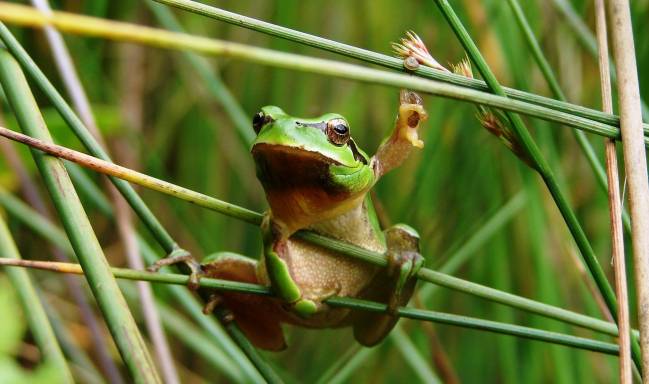
Climate change is currently one of the greatest threats to biodiversity, and one of the groups of animals most affected by the increase in temperature is amphibians. A team of scientists with Spanish participants studied how heat waves affect the dietary choices of three species of amphibian found on the Iberian Peninsula: the European tree frog, the Mediterranean tree frog and the Iberian painted frog.
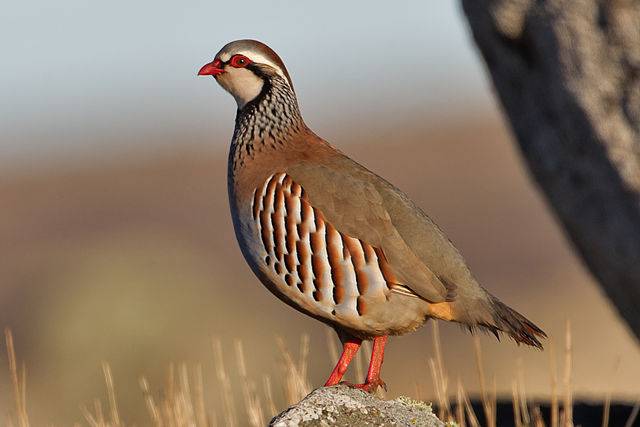
Farm-reared partridges are the object of a new study at the University of León, which has conducted an experiment to demonstrate whether it is possible to train these animals using adult ‘tutor’ birds to improve their survival in the wild. Their findings suggest that this system of learning is effective against their predators.
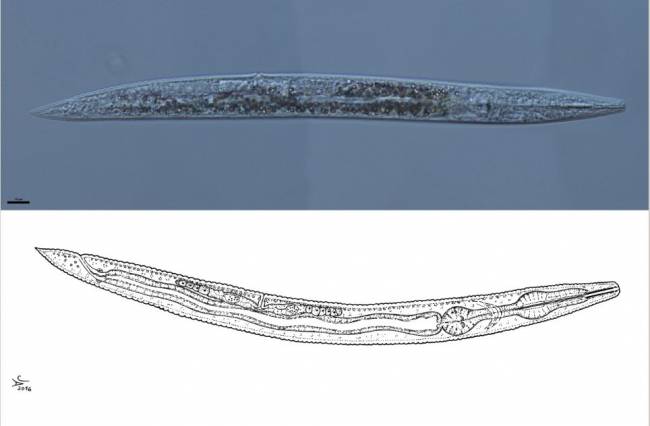
Around nine kilometres south of the city of Jaén, Spanish scientists have found a new species of nematode in the compost at a vegetable garden. The specimens found are extremely small, with adults measuring 0.2 mm in length. Moreover, there are no males among these roundworms, making the new nematodes a rare hermaphrodite species.

Storms generate heavy swell, putting ports at risk; this problem is compounded by rising sea level caused by climate change. A team of scientists analysed the impact of this phenomenon in Catalonia, concluding that the number of ports affected will double by the year 2100.
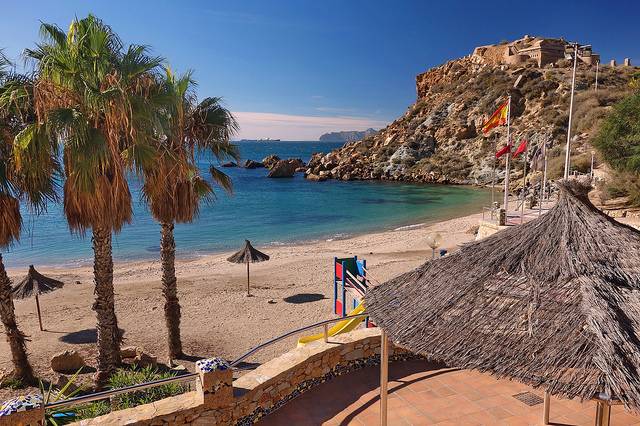
An analysis of the water of Spain’s beaches has concluded that those located on the Atlantic Ocean and the Cantabrian Sea have the highest concentrations of E. coli and enterococci. Southern Mediterranean beaches, on the contrary, have levels below the national average. The province of Murcia is the coastal area with the lowest concentration of these microorganisms.

The cave bear who once inhabited the Iberian peninsula up until 24,000 years ago used to return to the cave in which it was born to hibernate and raise its young. This habit played an important role in its extinction and furthermore explains why only one genetic lineage can be detected in each of the caves where remains have been found.
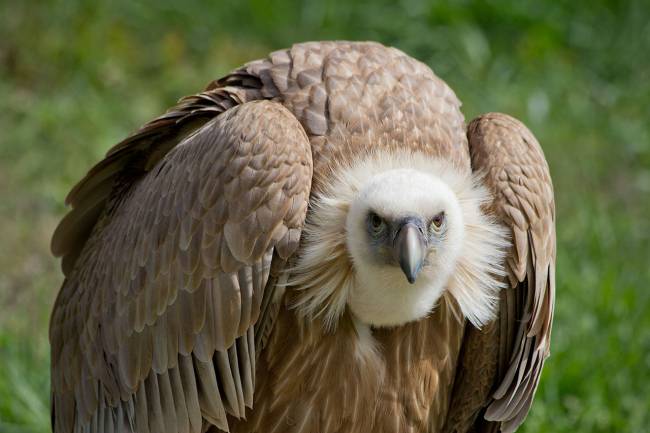
Researchers from several European centres have identified the main sources by which the griffon vulture is exposed to lead, mapping the spatio-temporal risk associated to the contaminant. These maps could be a useful tool in mitigating the effects of highly toxic contaminants.
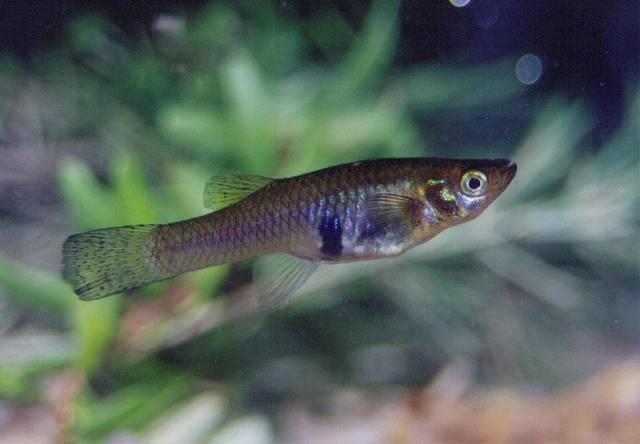
The Eastern gambusia (Gambusia holbrooki), also known as the mosquitofish, is one of the world’s 100 most invasive species. To understand its expansion across Europe from Spain –where it was introduced in the 1920s– a group of Spanish researchers has analysed, for the first time, the evolutionary changes of this animal through its genes. According to the study, genetic variability has allowed this fish to adapt and spread throughout its new environment.
Lo sentimos, Inténtalo de nuevo más tarde. .