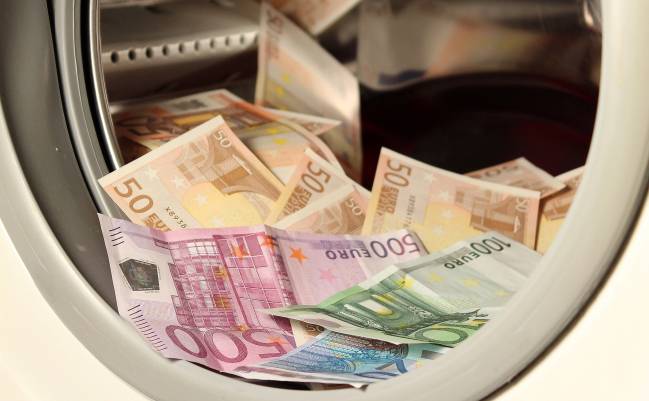
Researchers from the University of Valladolid have created a computer model based on neural networks which provides in which Spanish provinces cases of corruption can appear with greater probability, as well as the conditions that favor their appearance. This alert system confirms that the probabilities increase when the same party stays in government more years.
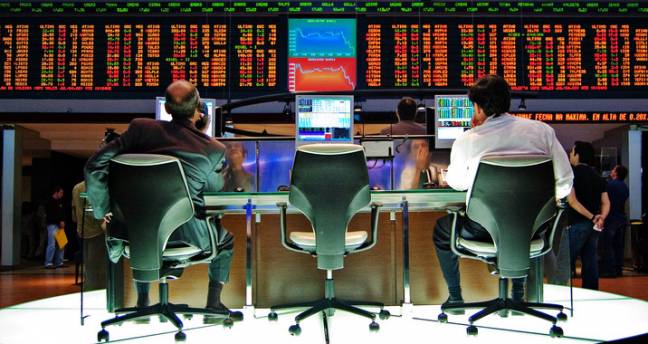
The learning mechanism of neurones has inspired researchers at the University of Valladolid (Spain) to create algorithms that can predict whether a bank will go bust. The model was correct for 96% of the banks that went bust in the USA in 2013 after analysing their financial indicators from the previous decade, marked by the economic crisis. The most vulnerable were those which had accumulated loans from the construction sector and grown rapidly without sufficient provisions.
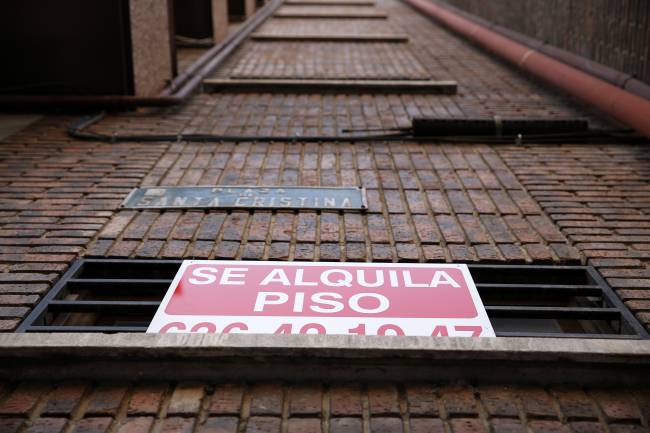
The economic recession and changes to the population pyramid have promoted the renting culture in Spain, until now unpopular. Scientists from the Autonomous University of Barcelona have examined the demographic and residential tendencies of Spaniards over the last 30 years and confirm that renting is now the first option considered to access housing.
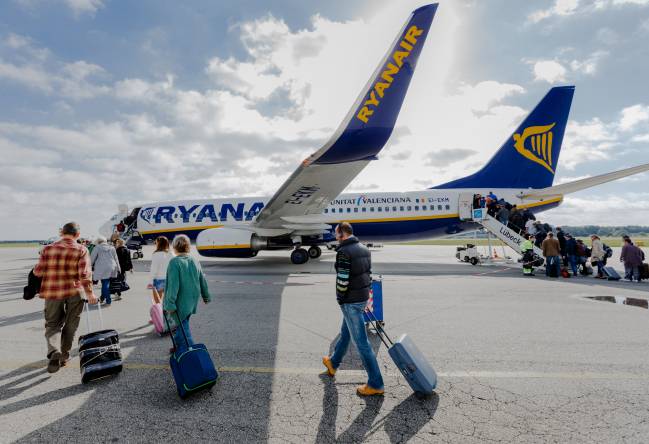
Spanish airports received 64.4 million foreign tourists in 2013. More than half used low-cost airlines, a figure 4.6% higher than the year before. According to scientists from the Complutense University of Madrid, this trend has been increasing since 2004, attracting more visitors but not generating greater economic profit.
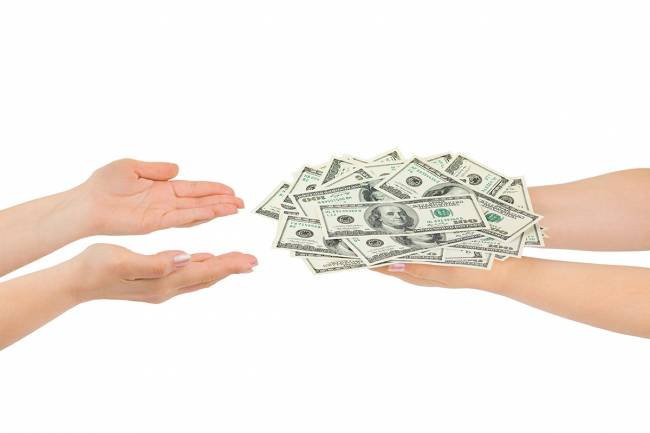
An experimental study in which the Universidad Carlos III (UC3M) took part analysed the interaction between public officials and citizens and found that the presence of intermediaries significantly increases corruption.
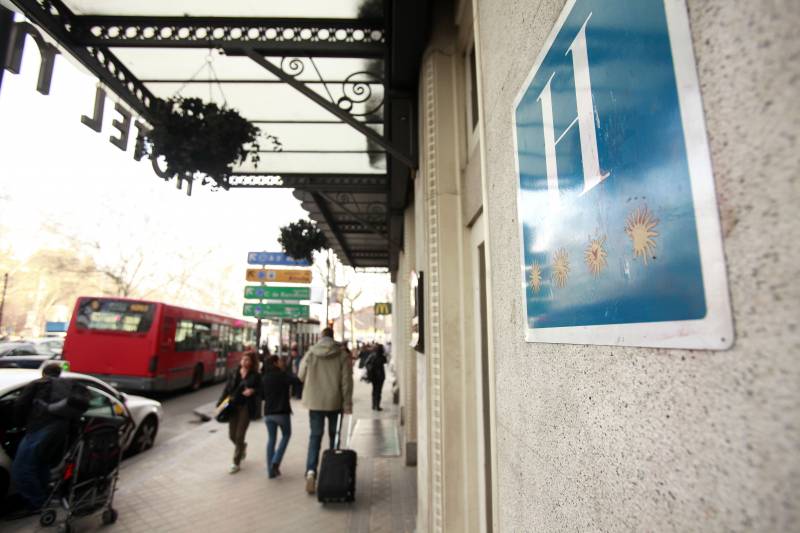
Si hubiera que definir el perfil de personas que menos viajan, destacan especialmente las mujeres mayores sin estudios. / SINC.
A study by the University of La Laguna has re-examined the link between tourism and social inequality in Spain, using a survey carried out at origin by the adult population. The results indicate that slightly more than 20% of the consumers make more than 70% of trips.

Until now, the standard economic view had suggested that people decide whether to lie or not depending on what they expect to receive in return. A study that has just been published in the journal Experimental Economics indicates that this is not always the case: people tell the truth because they are purely averse to lying.
Lo sentimos, Inténtalo de nuevo más tarde. .