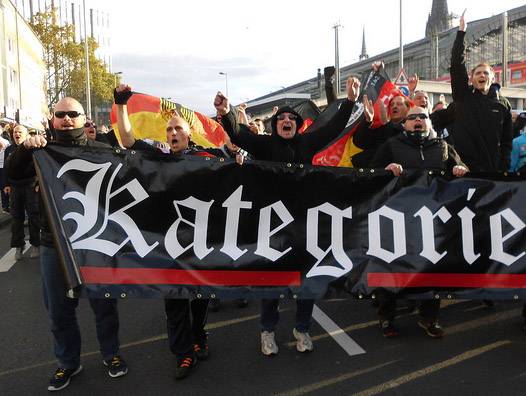
New sentiment analysis algorithms developed by researchers at the University of Salamanca are able to monitor the social network Twitter in search of violent groups. The system analyses both the messages these individuals share and how their relationships develop. Spanish law enforcement authorities have already expressed interest in the tool.
Research carried out at the Universidad Carlos III de Madrid (UC3M) analyzes the participation and receptivity of the messages emitted during the last European elections in 2014. The main conclusion the study reached is that there are two levels of conversation with scarcely any points of connection: on one level are the politicians, controlled by the parties and candidates; on the other are the citizens, freer in their structure and the subjects dealt with.
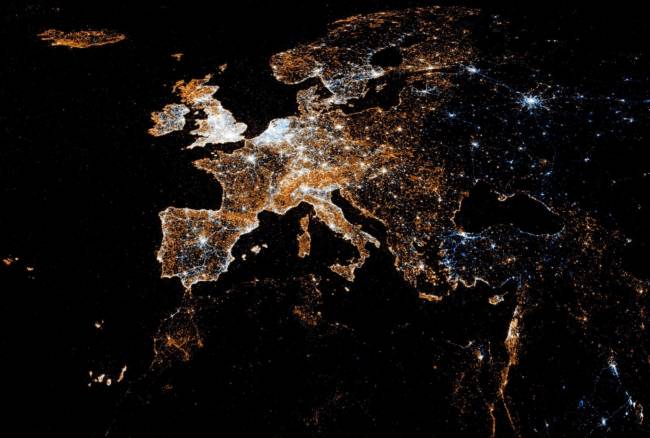
Millions of Twitter users are constantly reporting where they are and what they are doing. With this information, two Spanish computer science experts suggest using geolocalized tweets for urban planning and land use. They have already done it in Manhattan, Madrid and London and have been able to identify, for example, nightlife areas of these large cities.
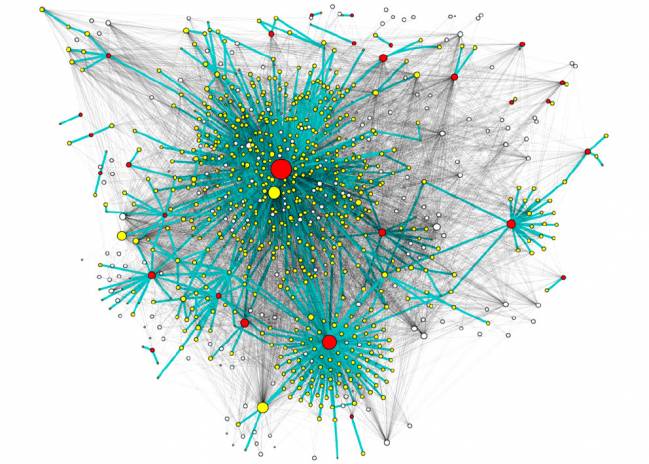
The imbalanced structure of Twitter, where some users have many followers and the large majority barely has several dozen followers, means that messages from the more influential have much more impact. Less popular users can compensate for this by increasing their activity and their tweets, but the outcome is costly and inefficient. This was confirmed by an analysis of the social network performed by researchers from the Technical University of Madrid.
Lo sentimos, Inténtalo de nuevo más tarde. .