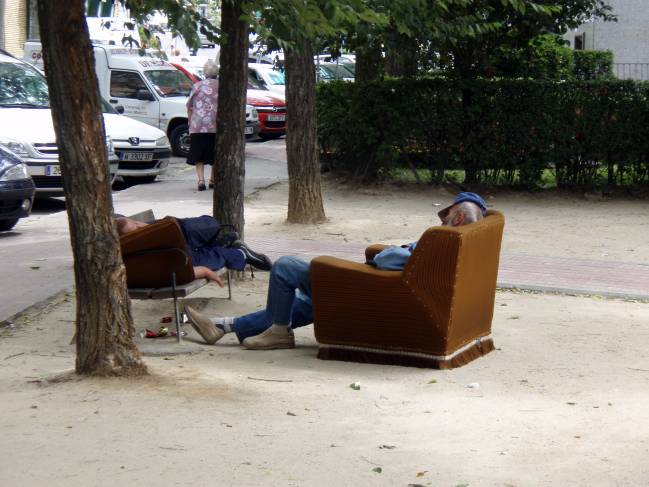
Until now, no large-scale scientific studies had been done into the impact of the economic crisis on homeless people. A study by the University of the Basque Country has explained how, between 2008 and 2012, the employment situation, together with cuts to certain state benefits, has put the brakes on the reintegration of homeless people into society, especially if they are foreign.
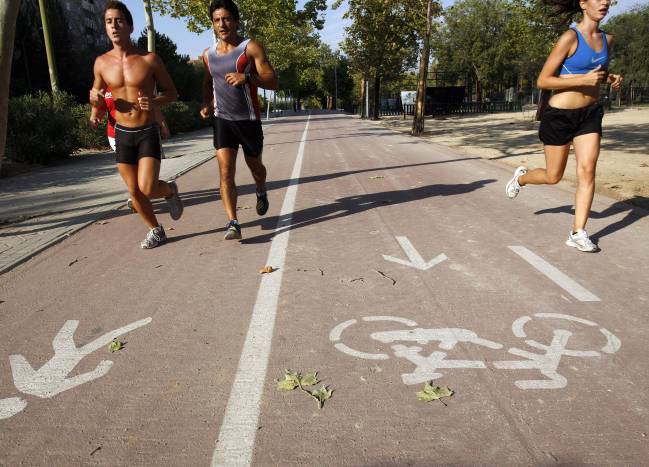
Over the last century, life expectancy for Spaniards has increased by 40 years. A study by the International University of La Rioja highlights the main cause, since 1980, as being the reduced incidence of cardiovascular diseases while other pathologies, such as mental illnesses and certain types of cancer, have been seen to rise. The authors predict that the effects of the economic recession on mortality will show up in the long-term.
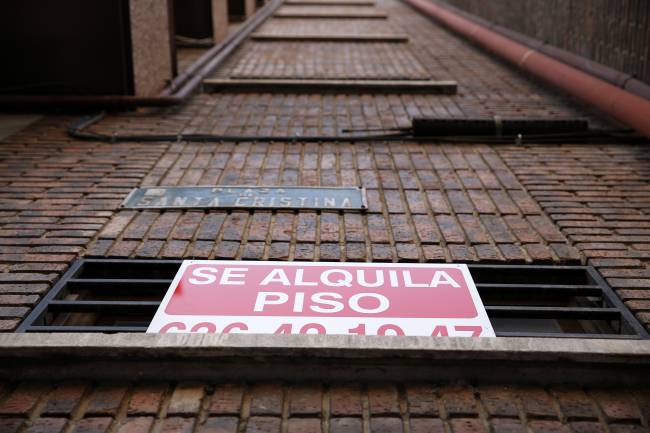
The economic recession and changes to the population pyramid have promoted the renting culture in Spain, until now unpopular. Scientists from the Autonomous University of Barcelona have examined the demographic and residential tendencies of Spaniards over the last 30 years and confirm that renting is now the first option considered to access housing.

In the midst of the current economic crisis, middle class families often encounter problems related to the work-life balance, especially when both spouses are forced to extend their working hours to make ends meet. Researchers from the Department of Social Work at the National University of Distance Education (UNED) have analyzed this phenomenon, which differs by gender. Sagrario Segado, member of the Koinonia research group and one of the authors of the study, discusses its implications.

A mathematical and computational study by the Universidad Carlos III of Madrid (UC3M) based on network theory suggests that restructuring certain interbank loans would help to contain the spread of economic crises in the financial system.
Lo sentimos, Inténtalo de nuevo más tarde. .