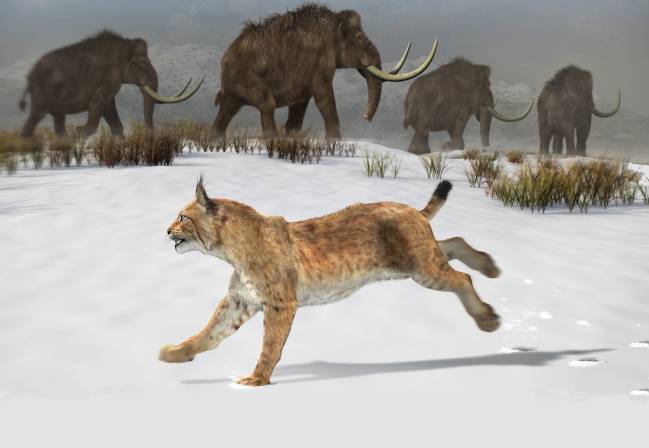
The remains of an Iberian lynx specimen which lived 1.6 million years ago - the oldest ever discovered - were found resting in a cave in Barcelona (Spain). This discovery not only allows us to shed light on the origins of one of the world's most endangered feline species, but it also means that the emergence of this species on the Iberian Peninsula dates back half a million years earlier than what was originally believed.
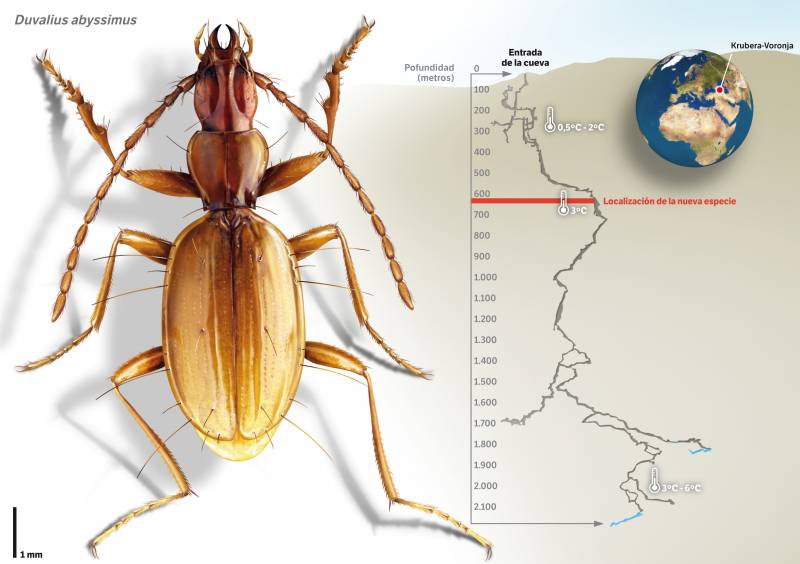
Ilustración de Duvalius abyssimus. / Sinc - José Antonio Peñas.
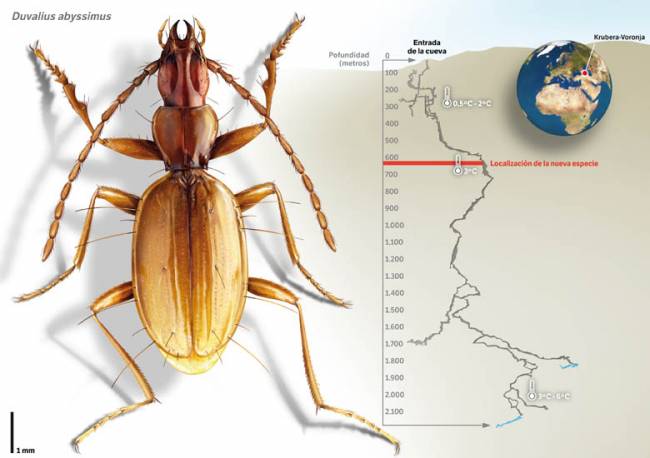
The unusual habitat of the Krubera cave in the Western Caucasus remains a mystery. Researchers from two Spanish universities have discovered a new species of beetle in the depths of this cave.
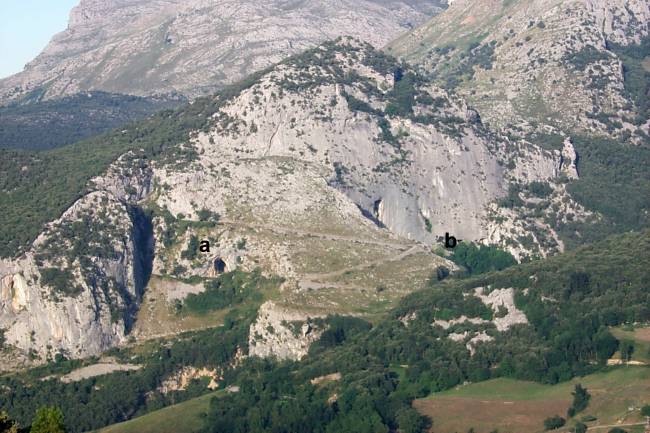
Scientists at the Cantabria International Institute for Prehistoric Research have traced the steps of the human beings that inhabited the region during the Palaeolithic era. Through computer programmes for geographical analysis, it is known that these nomads gradually abandoned high-altitude rocky shelters and caves to live on flatter plains.
Lo sentimos, Inténtalo de nuevo más tarde. .