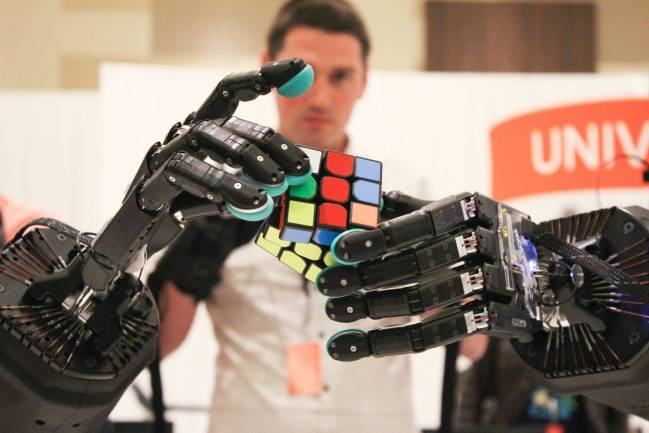
One of the most difficult parts of the human body to imitate due to its complexity is the hand. The Shadow Robot Company designs and develops highly dexterous robotic hands that are as realistic as possible to human hands and makes them available to researchers within the framework of the Human Brain Project. The goal is to integrate them into the robots of the future.
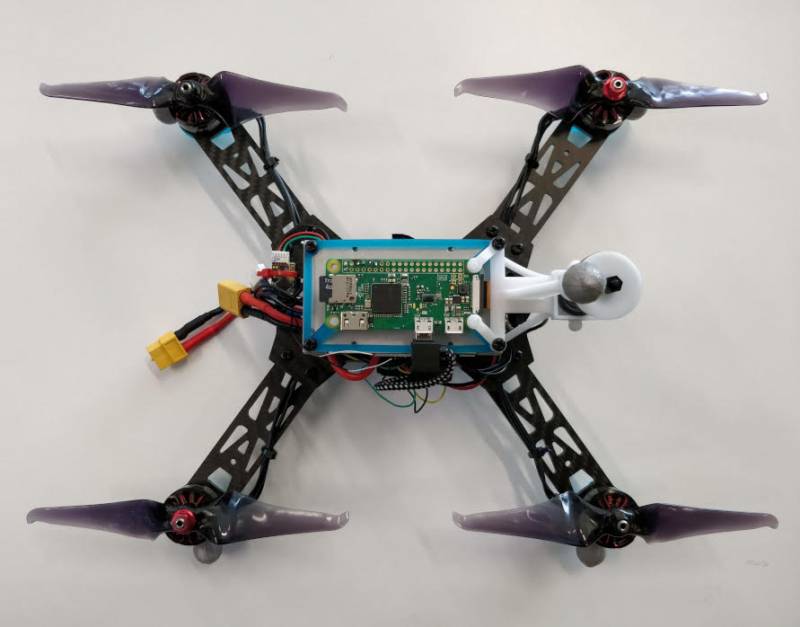
The 'Brains on Board' project is a collaboration between several British universities that partners with the HBP and seeks to ‘translate’ the brains of ants and bees into algorithms that a machine will understand. Its aim is to create equally efficient robots that can be used for rescue, space exploration and terrain analysis.
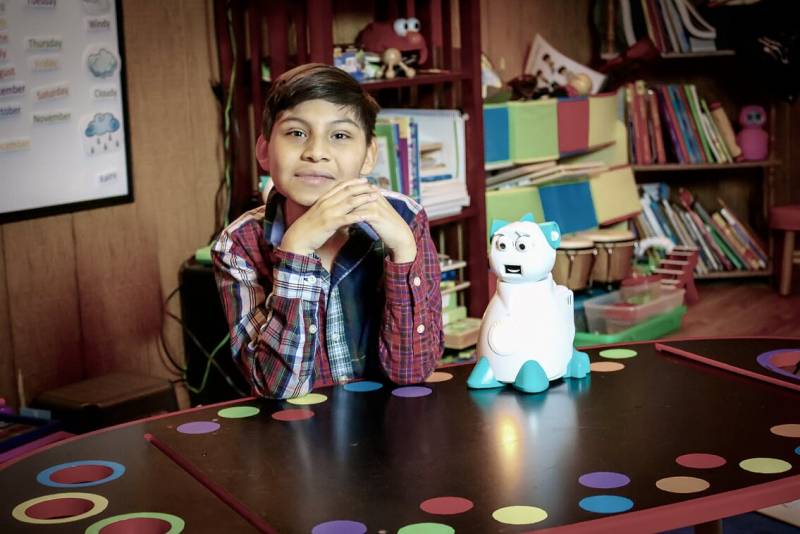
Aisoy Robotics, a start-up based in Elche (Spain), develops robots capable of recognising the person with whom they interact and simulate emotions. A nurse from the USA, Juan’s mother, confirmed its potential in autism therapies three years ago. Now, the firm is preparing a clinical study to test its efficacy with 50 children.
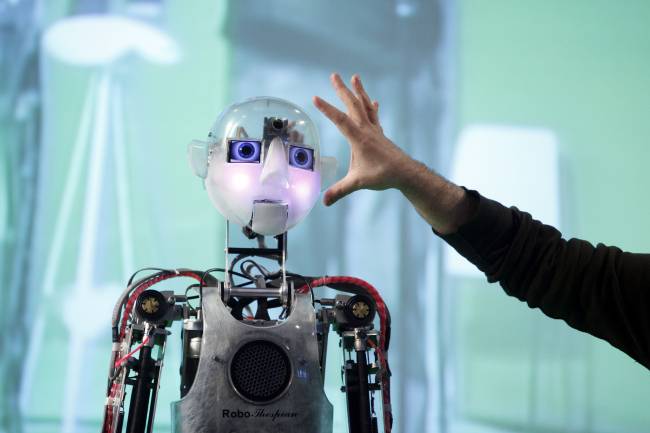
Quantum computing will allow for the creation of powerful computers, but also much smarter and more creative robots than conventional ones. This was the conclusion arrived at by researchers from the Complutense University of Madrid (UCM) and Austria, who have confirmed that quantum tools help robots learn and respond much faster to the stimuli around them.
Lo sentimos, Inténtalo de nuevo más tarde. .