
Salt is a hidden enemy in children’s diets. So says the conclusion of a study by researchers from the Complutense University of Madrid, which suggests that over 80 % of Spanish schoolchildren consume excess salt; this is associated to greater risk of high blood pressure, osteoporosis and obesity. According to the authors, we first need to know the sources of dietary salt intake before we can reduce it.

The languages we speak influence several factors that we rely on for our ability to read, such as visual attention and phonological processes. So concludes a new study carried out at the BCBL research centre in the Basque country. The findings could have implications in teaching and in the diagnosis of dyslexia and other reading problems.
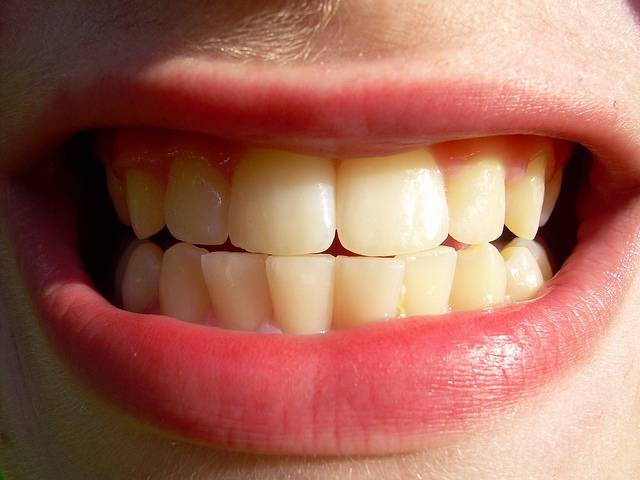
In recent years there has been increasing medical interest in correcting teeth that do not touch perfectly in order to prevent problems such as jaw pain, gaps between teeth and crowding. Now, a new study carried out by Spanish researchers has concluded that dental occlusion is also related to the control of posture and balance.
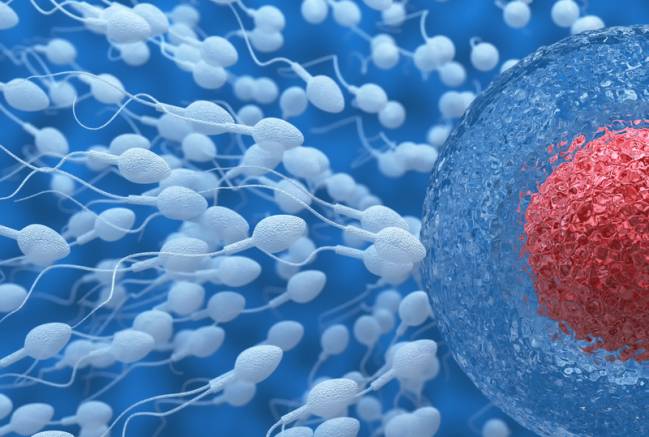
Sperm in the first fraction of ejaculate are more numerous, move more and present better quality DNA than those lagging behind. This is the conclusion of a study led by the Ginemed fertility clinic, which confirms that while the objective of the first fraction is to fertilise the egg, the second phase is so that no sperm from any other male has a chance to fertilise it.
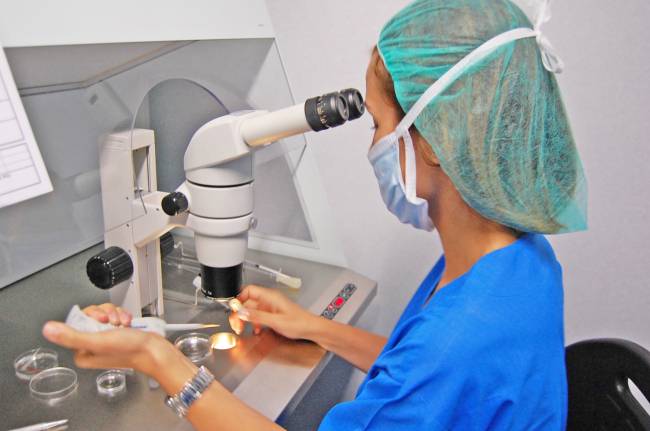
The negative impact of contractions during in vitro fertilisation is a well-known fact. What was unknown until now was the effect it had on artificial insemination. A new study has discovered that it is the contrary to that seen in embryo transfer: there is an improved chance of getting pregnant.

Scientists from the Institute for Biomedical Research (IRB Barcelona) have carried out successful in vitro tests using wasp venom to kill tumour cells. The next step will be to test its efficacy in mouse models.
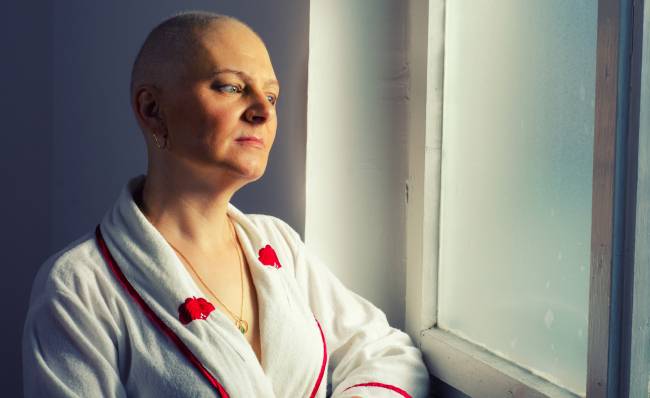
Patients receiving chemical treatment for cancer often suffer fatigue and body weight loss, two of the most worrying effects of this therapy linked to the alteration of their circadian rhythms.
At the beginning of the year, the novelist Henning Mankell revealed that he had been diagnosed with cancer. Almost immediately he decided that he would write about his illness in a Swedish newspaper. Mankell is not alone, but one of many writers who have written about their illness. Apart from whatever they might bring to the table, a recent study claims that so-called “expressive writing” can help to reduce some of the symptoms suffered by oncology patients.
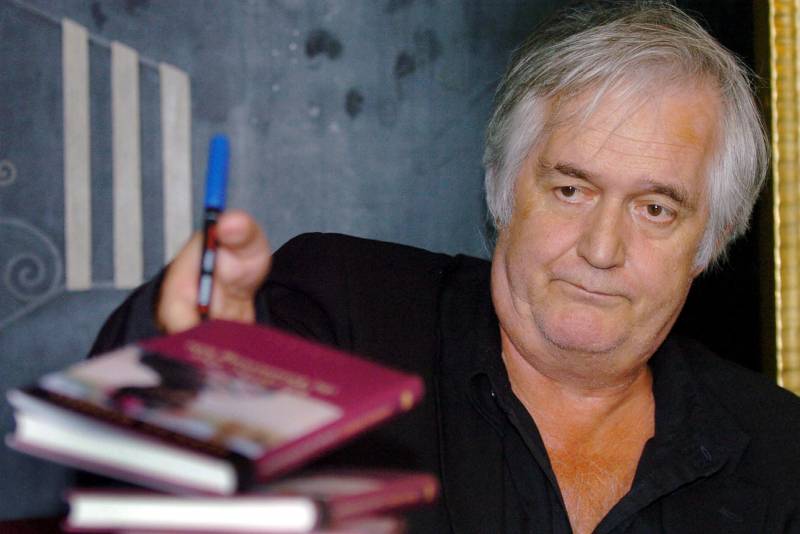
PHOTO GALLERY. Henning Mankell, writer diagnosed with cancer, would write periodically about his illness in a Swedish newspaper. / Maurizio Gambarini
Lo sentimos, Inténtalo de nuevo más tarde. .