A new study analyses the inequality between European men and women in their exposure to psychosocial risk factors at work. Scandinavian women experience the worst conditions, whilst Anglo-Saxon men experience the best.
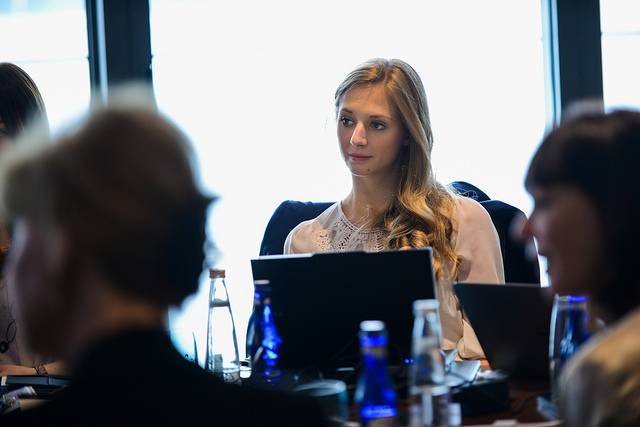
Researchers at Pompeu Fabra University have studied how European gender inequalities in exposure to psychosocial risk factors at work vary according to the state of welfare and socio-occupational class.
“Our initial hypothesis was that the more developed social protection policies and the labour market were – as is the case in Scandinavian countries – the lower associated gender inequality would be,” Javier Campos, lead author of the work, tells SINC.
The scientists also expected the inequality to be more marked in lower socio-occupational classes with fewer socioeconomic resources, for example, among manual workers.
However, the conclusions, published in the ‘International Journal of Occupational and Environmental Health’, are completely the opposite. In Scandinavia, executive or professional women showed the highest prevalence in the three types of psychosocial risk.
41.0% of these women felt exposed to high work demands with very little control over them. 34.7% believed they were subjected to high demands without the support of their colleagues. 26.5% thought they invested considerable emotional effort in their job commitment, but received insufficient reward: a low salary or few prospects for progress.
In contrast, executive or professional men from Anglo-Saxon countries showed the lowest prevalence of exposure to high demand-low control (13.5%), high demand-low control- low social support (11.2%) and high effort-low reward (16.9%).
To conduct the study, the researchers used data from the fourth European Survey on Working Conditions (2005), which included 28 European countries (including Spain) and a total sample of 12,402 women and 15,063 men.
The greatest gender inequality in the exposure to psychosocial risks is also observed in Scandinavian countries.
The third result to highlight is that in Scandinavian countries, this gender inequality is intensified among social classes with more resources. In the highest socioeconomic classes (category I) it is almost double that of category II, and it disappears in category III (the lowest).
Challenges for the future
“The fact that there is a higher proportion of women exposed to psychosocial risks at work can be explained, in part, by the time spent caring for children or dependants at home, a task that falls principally on women’s shoulders, despite certain improvements with regard to the equal distribution of household tasks,” Campos explains.
For the expert, the masculinisation and feminisation of the economic sectors of activity of companies – for example, industry and construction are typically masculine, whereas services are typically feminine – could clear up part of the inequality observed.
Different perceptions of those surveyed must also be taken into account when evaluating the results. “Perhaps in Scandinavian countries, with a long tradition of equal opportunities educational policies, women’s perception is more sensitive than that in southern European countries,” he comments.
The researchers find another possible explanation in the impact of social protection policies to reduce gender inequality, which is different in the different socio-occupational classes.
“A challenge for future research is to examine how the exposure to psychosocial risks at work could affect the physical and mental health of women and men in different countries, taking into account different socio-occupational classes,” Campos concludes.
References:
Campos-Serna J, Ronda-Perez E, Moen BE, Artazcoz L, Benavides FG. “Welfare state regimes and gender inequalities in the exposure to work-related psychosocial hazards”. International Journal of Occupational and Environmental Health. 2013 Jul-Sep;19(3):179-95.
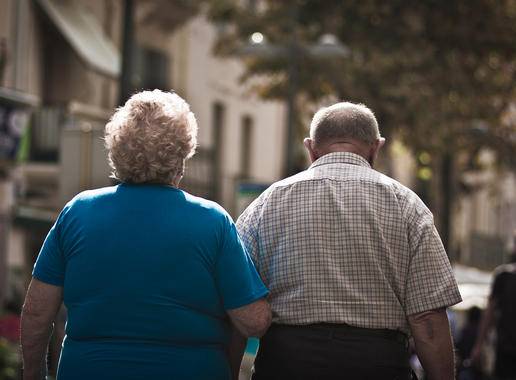
For decades, the elderly in Spain have shown a preference for living at home, either alone or with their partners, instead of sharing a home with relatives of other generations. A study by the University of Granada delves into the reasons for this trend.
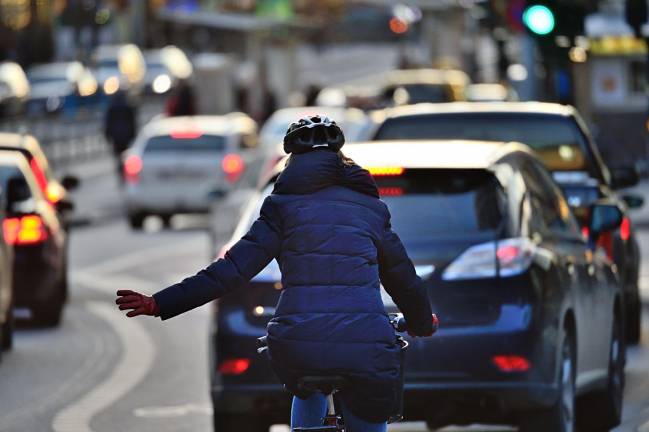
The bicycle is a cheap and ecological way of transport, and it is also a healthy option. This is why the number of cyclists in cities has increased in recent years, but so has the accident rate. A study confirms that these incidents are caused by a combination of inadequate infrastructures and risk behaviour on the part of drivers and cyclists.
Lo sentimos, Inténtalo de nuevo más tarde. .