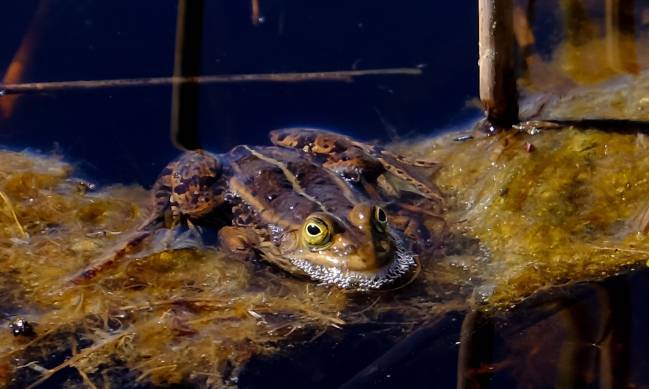
Pool frog (Pelophylax lessonae) tadpoles have the amazing ability to grow at different rates depending on changes in temperature. A new study has revealed that this species, which requires relatively warm environments for breeding, speeds up its capacity for growth in Sweden during the warmest time of the year in order to take full advantage of short periods of high temperatures. This trait may be the key to this frog's survival in cold climates.
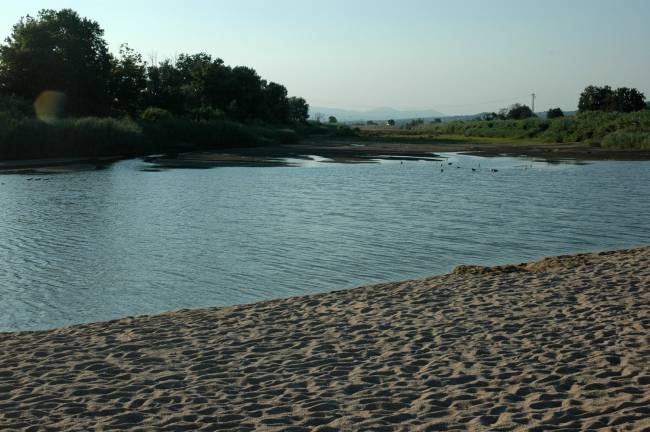
The rising global average temperature induced by climate change will cause regions such as the Mediterranean Basin to become drier and more arid, in turn directly affecting the availability of water. A study has revealed that river flows in this zone will decrease in headwaters, on average, by as much as 34% by the year 2100 - a figure that will reach 50% during the autumn months.
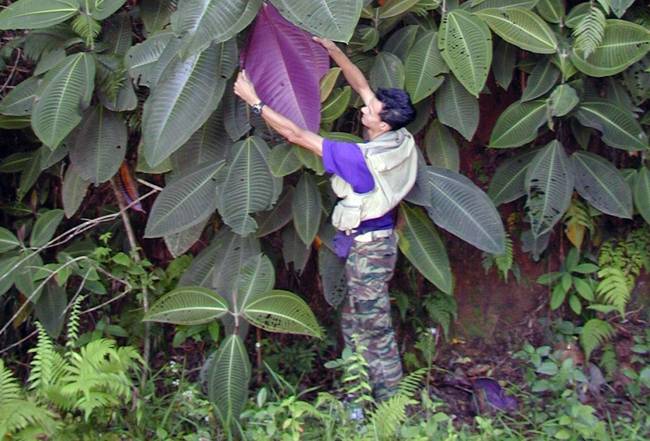
With its enormous green and purple leaves, the South American miconia tree is invading botanic gardens all around the world on account of its beauty. This plant, however, is called the ‘green cancer’ for its ability to infest new territories. A new study that has identified 91 countries which are at risk for being colonised by this plant warns that the plant's expansion in infested areas will not be negatively affected by a rise in temperatures.
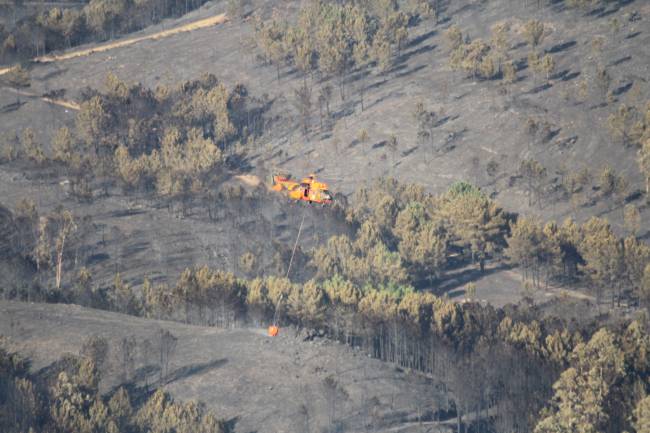
The impact of forest fires is becoming ever greater on the Iberian Peninsula and climate change is partly to blame. In order to evaluate the effect of an increase in temperatures, Spanish and Portuguese researchers have quantified the areas that will burn between now and the end of the century in the Peninsula. Climate model simulations reveal that burnt areas will triple as a result of global warming.
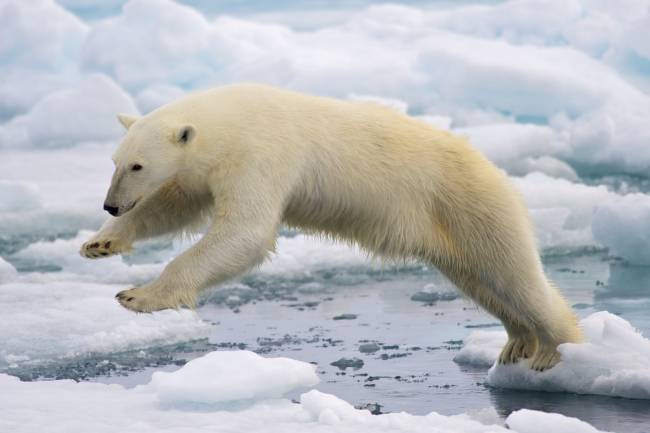
The polar bear (Ursus maritimus), one of the largest carnivorous mammals on Earth, is being made vulnerable by the series of dangers it faces. An international team has established a guide to evaluate the condition of its health and although the polar bear’s biggest threat is climate change, plastic pollution and environmental contaminants in its habitat are starting to affect its endocrine system and reproduction.
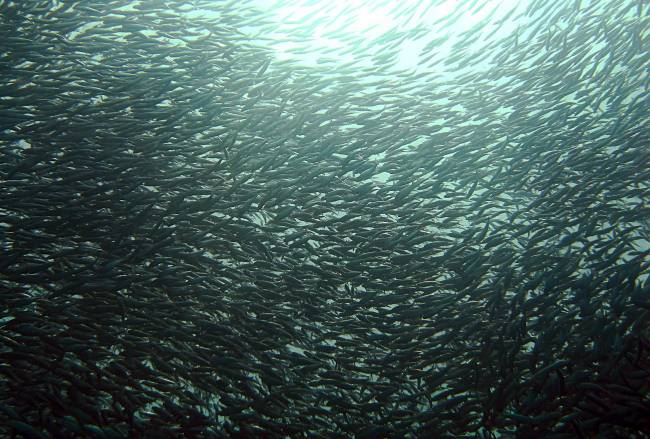
Sardines, anchovies and mackerels play a crucial role in marine ecosystems, as well as having a high commercial value. However, the warming of waters makes them vanish from their usual seas and migrate north, as confirmed by a pioneering study analysing 57,000 fish censuses from 40 years. The researchers warn that coastal towns dependent on these fishery resources must adapt their economies.

Until a few months ago different scientific articles, including those published in ‘Nature’, dated the disappearance of the Neanderthals (Homo neanderthalensis) from Europe at around 40,000 years ago. However, a new study shows that these hominids could have disappeared before then in the Iberian Peninsula, closer to 45,000 years ago.
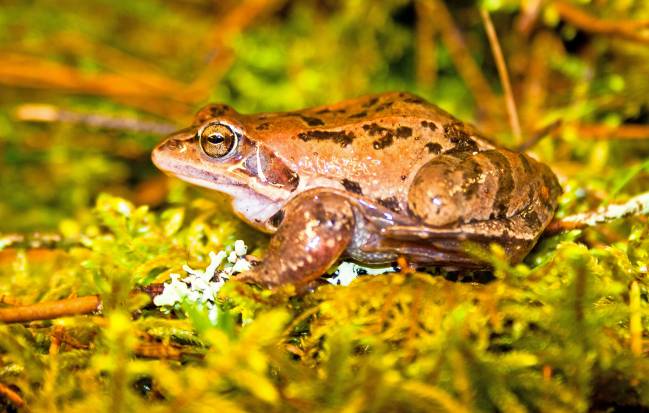
Global warming is altering the reproduction of plants and animals, notably accelerating the date when reproduction and other life processes occur. A study by the University of Uppsala (Sweden), including the participation of Spanish researcher Germán Orizaola, has discovered that some amphibians are capable of making their offspring grow at a faster rate if they have been born later due to the climate.
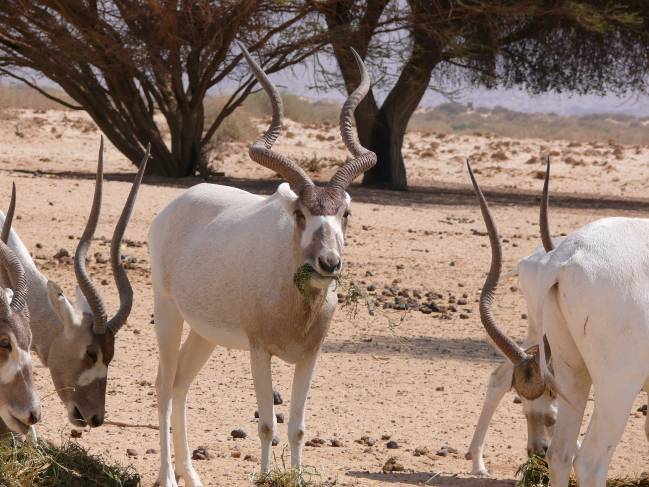
An international team of scientists point out in a study the neglect suffered by the Sahara in conserving its biodiversity. As a result some emblematic species have disappeared (such as the scimitar-horned oryx) and others are on the verge of extinction (the addax, the cheetah and the dama gazelle). The study also states that the rest of the ungulates and large carnivores of the Sahara and the Sahel have lost more than 70% of their area of original distribution.
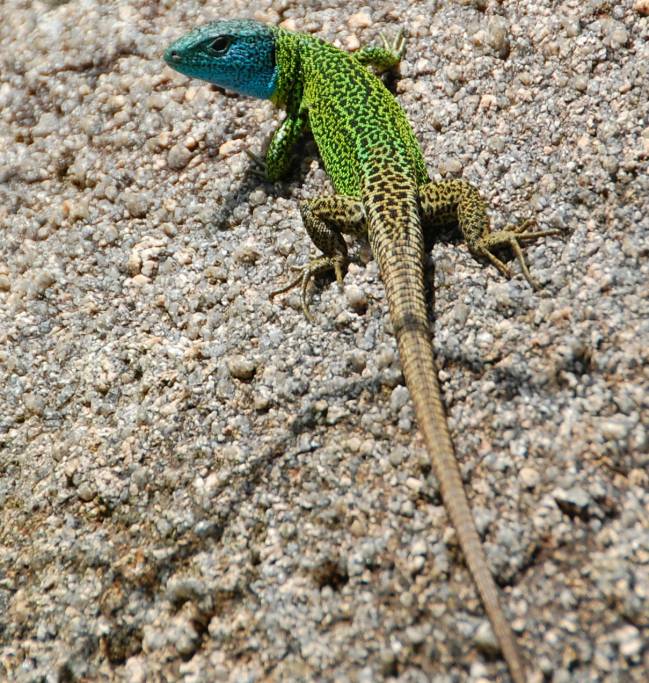
The Iberian emerald lizard is oviparous, its egg production depending on the temperature. According to researchers at the Complutense University of Madrid, climate change will have a negative impact on this species if it is not able to adapt to the local effects of global warming.
Lo sentimos, Inténtalo de nuevo más tarde. .