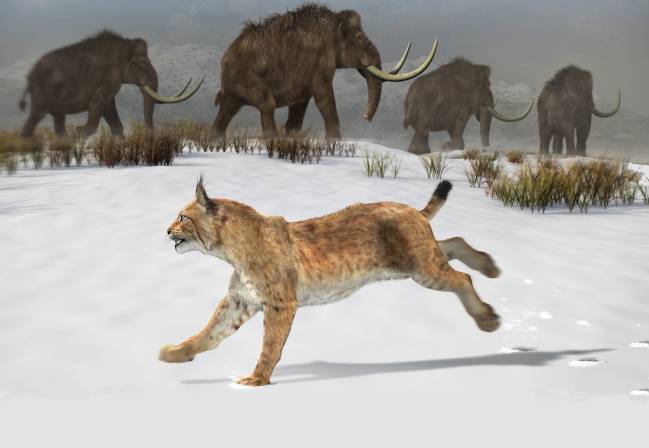
The remains of an Iberian lynx specimen which lived 1.6 million years ago - the oldest ever discovered - were found resting in a cave in Barcelona (Spain). This discovery not only allows us to shed light on the origins of one of the world's most endangered feline species, but it also means that the emergence of this species on the Iberian Peninsula dates back half a million years earlier than what was originally believed.
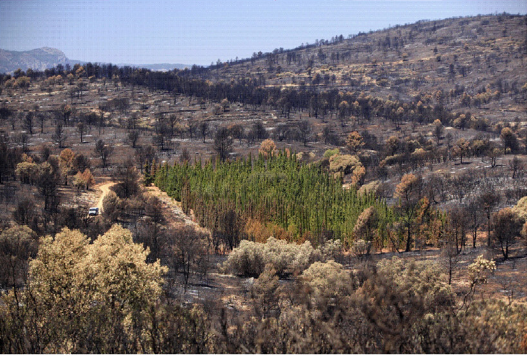
Every year fires burn thousands of hectares, destroy entire ecosystems and put the lives of people and animals at risk. Understanding the dynamics of fire would allow a solution to be found for the high number of incidents. Spanish and Italian researchers have studied the flammability of vegetation and shown that cypresses, capable of tolerating severe droughts and high temperatures, could be an effective barrier against fire initiation due to their low degree of ignition.

Think of the city and images of traffic, pollution, noise and crowds spring to mind. The metropolis doesn’t seem to be the most ideal habitat for any animals other than humans. However, Spanish and Argentinean scientists have demonstrated that some species, such as the burrowing owl, have spent decades closing in on the city from the country without suffering from stress.
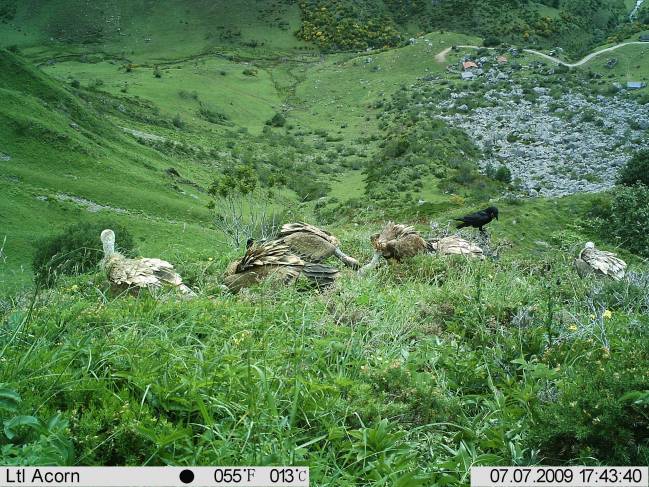
Human activities such as livestock farming, fishing or hunting yearly waste tons of food into natural ecosystems. A large part of this anthropogenic food is provided as carrion and subsidizes a wide range of vertebrate species. Spanish scientists have described for the first time the general structure of scavenger communities worldwide, which consist mainly of birds (66%) and mammals (34%).

Petrel fledglings leave the nest after dark, but these marine birds’ maiden flights towards the sea are hampered by city lights. Many collide or fall to the ground where they are in danger of being run over and vulnerable to predators. Now, a study has evaluated the impact of light pollution on three species of petrels on the Balearic Islands, including the Balearic shearwater, the most threatened sea bird in Europe, and concludes that between 30 and 47% of colonies are exposed to high levels of light pollution.
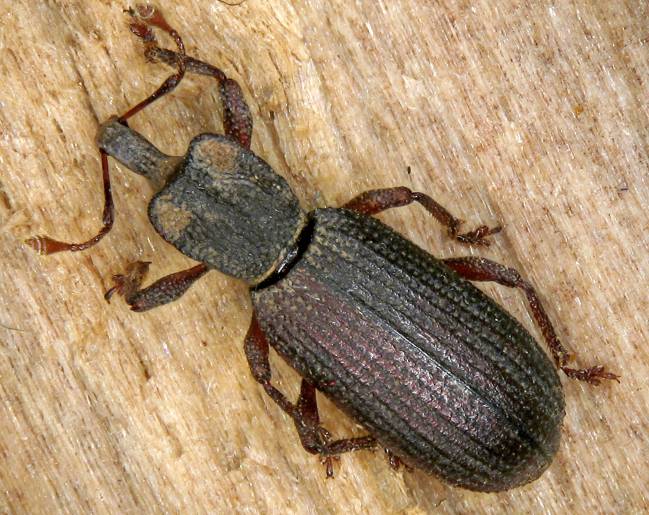
Thanks to research carried out since 2003 on the subsoil of Gran Canaria, two Spanish scientists have discovered a new species of beetle, which they have called Oromia thoracica. This blind weevil shares the same brownish-grey colour as the subsoil fauna and has a flattened body and thorax almost covering its head, an adaptation to life underground.
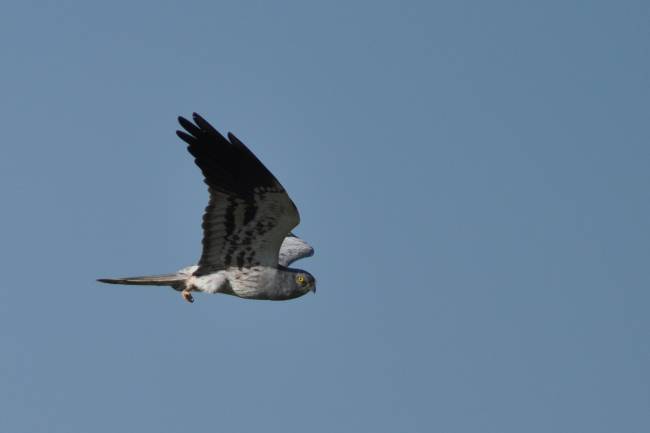
A citizen science programme reveals the protection measures for the Montagu’s harrier in the cereal crop season in France to be ineffective if nests are not protected to decrease predation after harvesting. A study has been published as a result of this voluntary fieldwork, with the participation of the Hunting Resources Research Institute, which proposes fencing off the nests as a way of mitigating the damage and optimising conservation efforts in different areas.
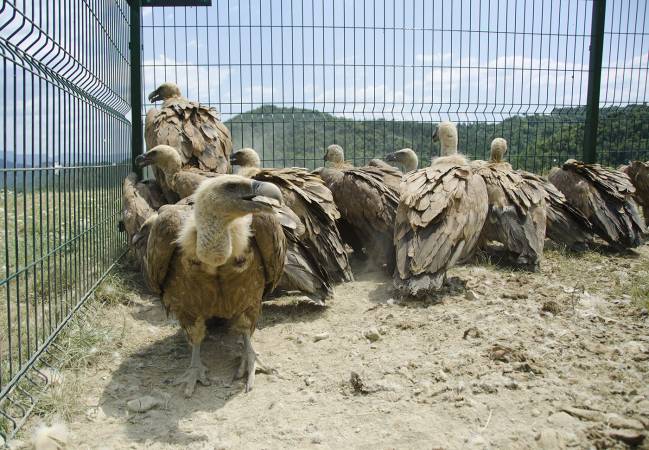
Because of their position on the food chain and their dietary habits, Griffon vultures from the Iberian Peninsula are exposed to accumulation of heavy metals in their tissues. A study benefiting from the participation of the Autonomous University of Barcelona reveals that, due to their diets, wild populations of Griffon vultures in Catalonia show the presence of a high amount of lead, which affects their immune systems and reproductive function.
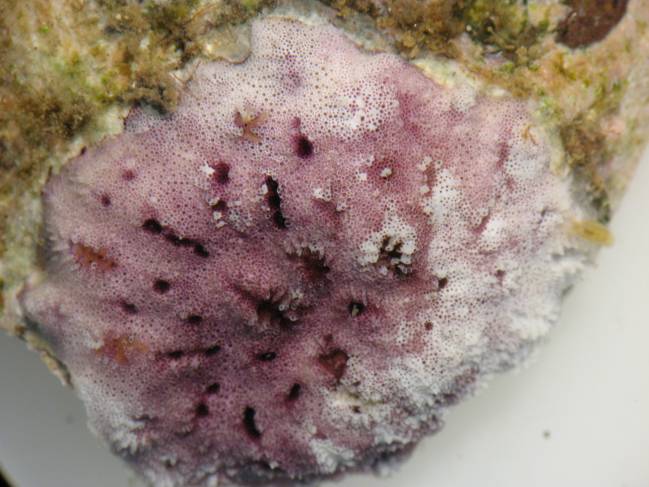
The Portuguese island of Madeira is considered a diversity hotspot for bryozoans, which are colonial, principally marine, organisms. However, the fauna of these small animals only started being documented a short while ago. A team of Spanish and Portuguese scientists have now discovered two new species of bryozoans, as well as another that had previously only been found in the waters of Rio de Janeiro (Brazil).
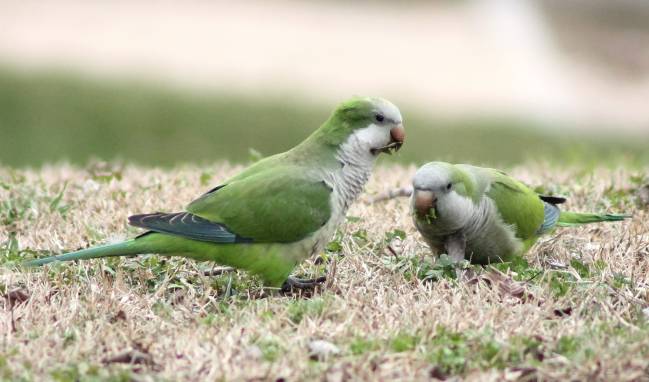
The parakeets that have invaded Europe and North America over the last forty to fifty years, creating massive nests in many urban areas, seem to have originated from the same small geographical area in South America. In addition, the invasive populations are genetically identical and are recognised by a relatively rare dominant haplotype in the source population. This has been the conclusion of an international study in which Spanish scientists have participated.
Lo sentimos, Inténtalo de nuevo más tarde. .