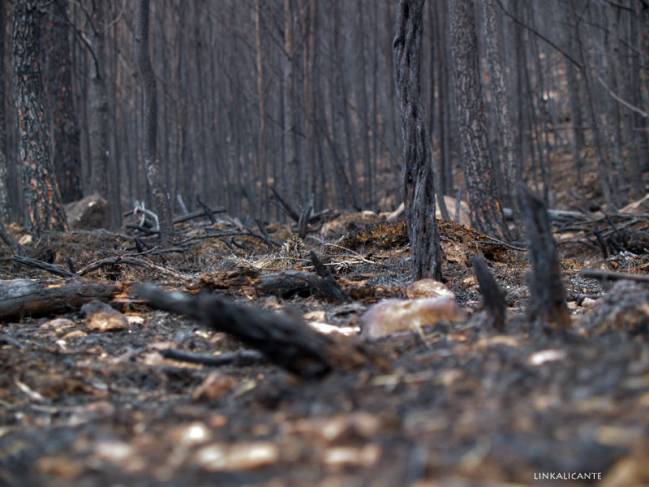
Researchers in the Biological Station of Doñana (CSIC) have studied the extent to which alien invasive plants benefit from fires in Mediterranean regions. Their results indicate that many grasses and certain trees are spread by wildfire, species which in turn increase the frequency of fires, as occurs with Eucalyptus trees in Portugal and Galicia.
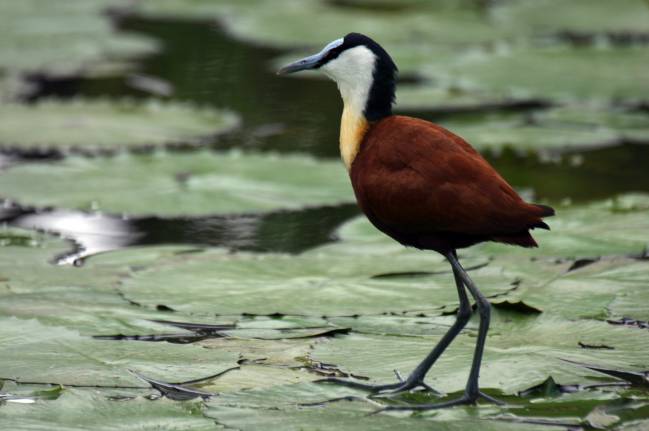
In many animal species, males and females differ in terms of their brain size. The most common explanation is that these differences stem from sexual selection. But predictions are not always certain. A team of researchers at the Centre for Ecological Research and Forestry Applications has discovered that a group of coastal birds, shorebirds, do not choose their mates by brain size but “on their physiques”.
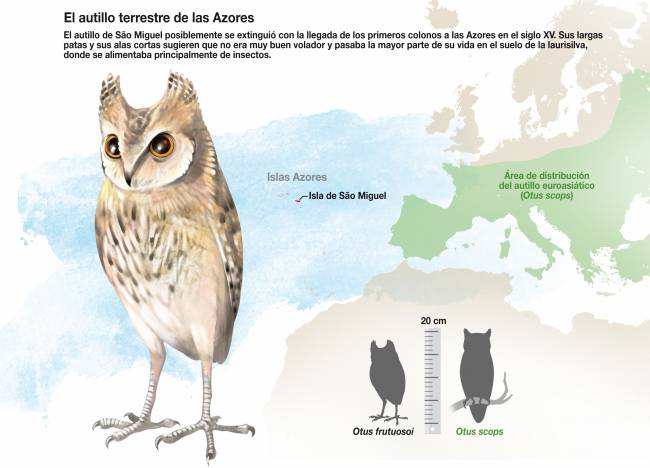
On São Miguel Island in the Azores, there used to exist a small, nocturnal bird of prey, related to the European scops owl, named Otus frutuosoi, which was very probably driven to extinction with the arrival of the first settlers in the 15th century. An international study, in which Spanish researchers participated, has for the first time identified fossils of this species endemic to the island.
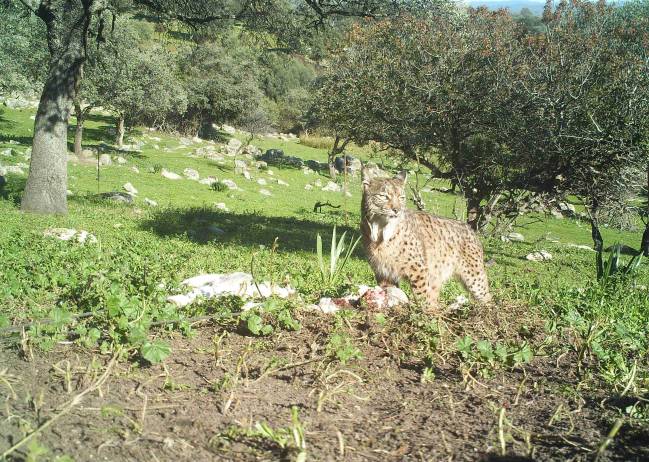
Scientists working on the LIFE IBERLINCE project have spent six years studying the hunting behaviour of the Iberian lynx (Lynx pardinus), registering a total of 40 attacks with 716 farm animals killed. Their results indicate that, although the resulting economic losses are not high, this behaviour is on the rise, and it is therefore necessary to establish conflict prevention programmes alongside the existing conservation programmes.
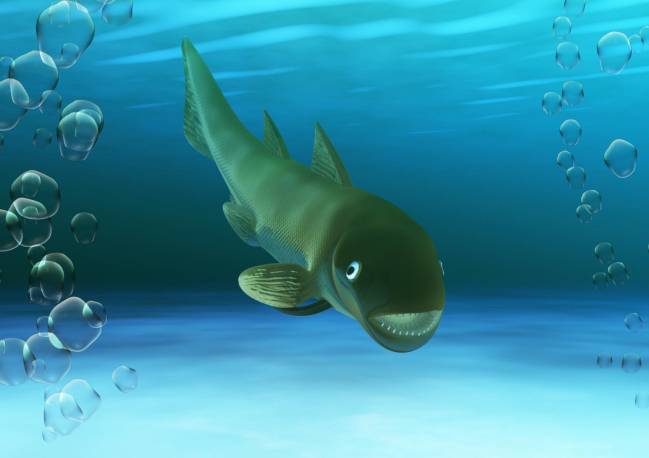
Researchers from the University of Valencia and the Natural History Museum of Berlin have studied the fossilised remains of scales and bones found in Teruel and the south of Zaragoza, ascertaining that they belong to a new fish species called Machaeracanthus goujeti that lived in that area of the peninsula during the Devonian period. The fossils are part of the collection housed in the Palaeontology Museum of Zaragoza.

An international team lead by the University of Granada has found that female sparrows will invest more energy into laying eggs according to the male’s ability to fill the nest with feathers which serve to insulate the chicks from the cold and keep them alive.

Traffic accidents involving wildlife are on the rise in Europe. The establishment of a time pattern for the accidents could be useful for increasing safety and preventing human and animal deaths. On the basis of this objective, a team of researchers have established at what time, on what day of the week and in which month accidents involving boar and roe deer are most likely to take place.

Two Spanish scientists have designed an equation that provides a highly accurate estimate of an individual’s speed based on stride length. They used data from professional athletes and walking and running experiments on a beach in order to come up with the equation. The result has applications in the study of fossil trackways of human footprints.
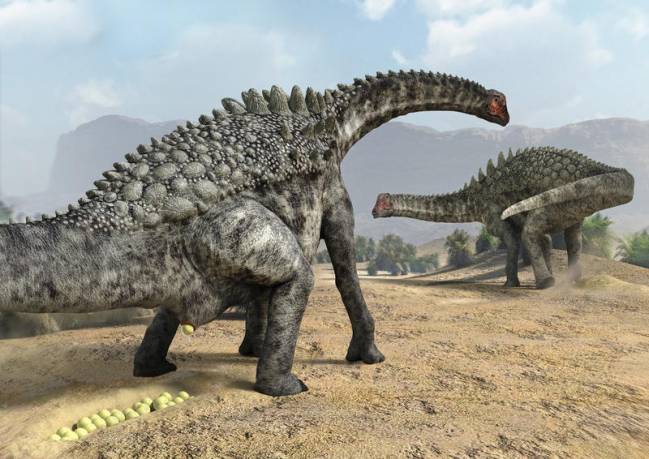
A study headed by the Miquel Crusafont Catalan Palaeontology Institute has for the first time documented detailed records of dinosaur egg fossils in the Coll de Nargó archaeological site in Lleida, Spain. Up until now, only one type of dinosaur egg had been documented in the region.
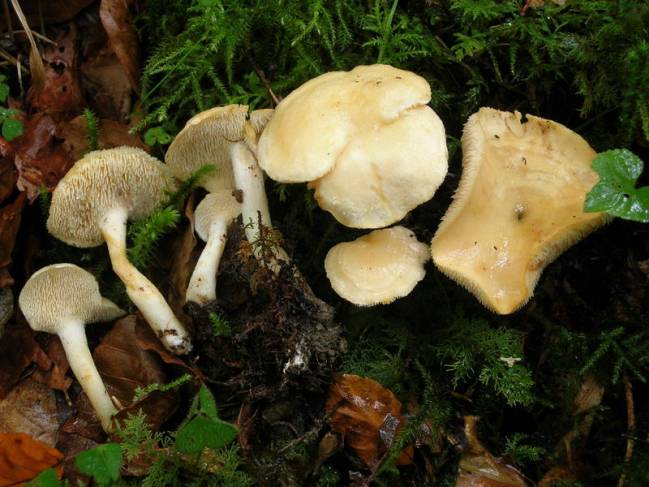
In collaboration with the Royal Botanic Gardens of Madrid and the Slovenian Forestry Institute, researchers in the Basque Country have documented two new species of Hydnum, commonly known as ox tongue mushrooms, as part of their study published in the ‘Mycologia’ journal. This genus is known because many of its fungi are edible.
Lo sentimos, Inténtalo de nuevo más tarde. .