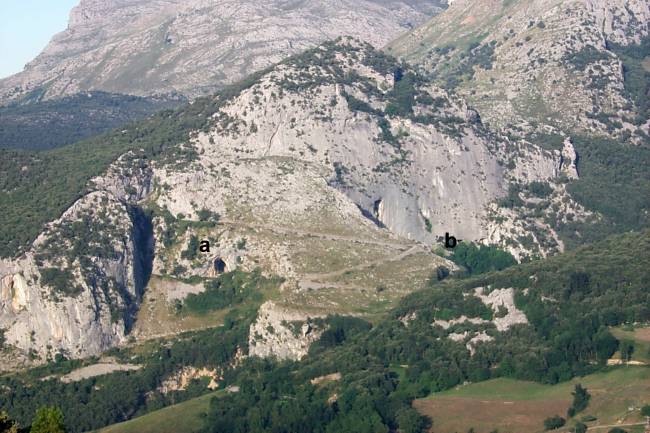
Scientists at the Cantabria International Institute for Prehistoric Research have traced the steps of the human beings that inhabited the region during the Palaeolithic era. Through computer programmes for geographical analysis, it is known that these nomads gradually abandoned high-altitude rocky shelters and caves to live on flatter plains.
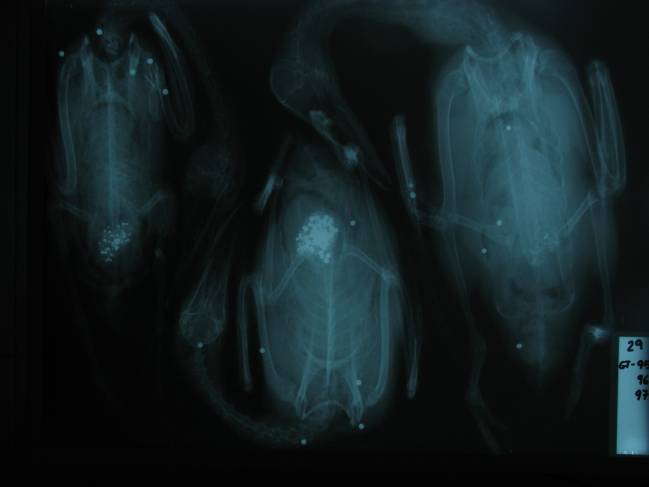
The pollution of waterfowl meat and their poisoning by lead shot has dropped by 50% since this type of munitions was prohibited in wetlands in 2001. This is one of the data in a report from the Hunting Resources Research Institute, which also states that the hunters’ compliance with this mandate has been very high.

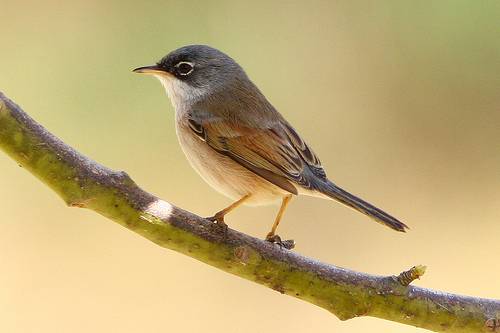
The several variables in the song of every male spectacled warbler could play a crucial role in the mating, defending territory and recognition between individuals of this species. Studying their acoustic signals will help to understand how this bird, with a small brain and limited social needs, can use a complex system of communication.
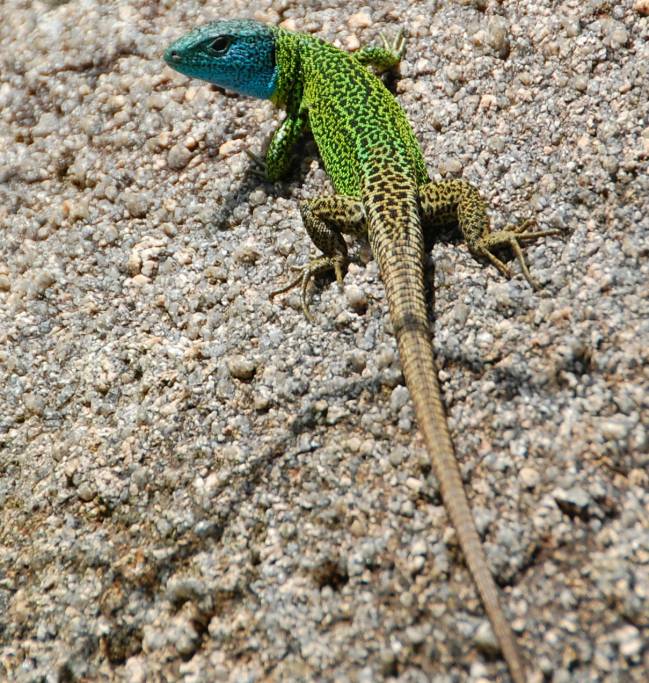
The Iberian emerald lizard is oviparous, its egg production depending on the temperature. According to researchers at the Complutense University of Madrid, climate change will have a negative impact on this species if it is not able to adapt to the local effects of global warming.
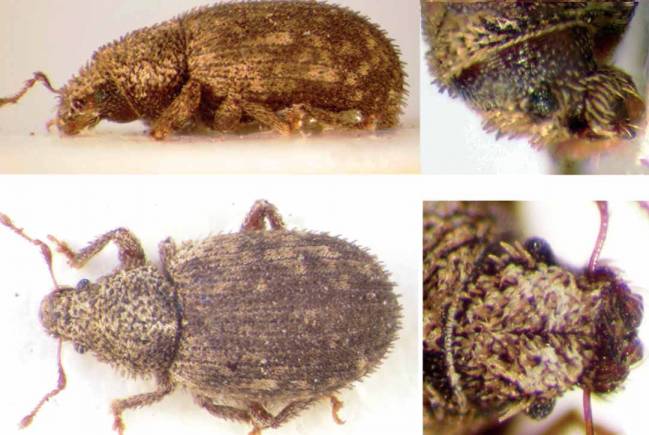
Miguel A. Alonso Zarazaga, a researcher from the Spanish National Museum of Natural Sciences has discovered a new genus of Coleoptera on the Canary Islands, which he has named Moreiba. These beetles are members of the weevil family, a group that causes severe damage to crops.
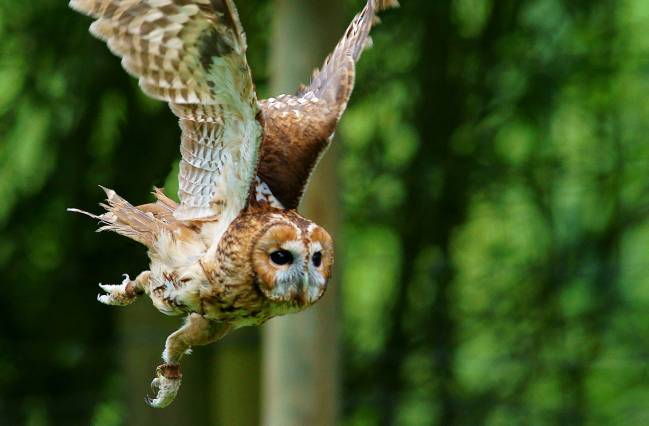
Doñana National Park is the framework of a recent study, participated in by Spain, which unveils one of the mechanisms used by tawny owls to avoid being hunted by Eurasian eagle owls: changing their territorial call when they sense the presence of their predator. However, if there is a prevalence of males in the environment, they prefer to run the risk and continue calling.
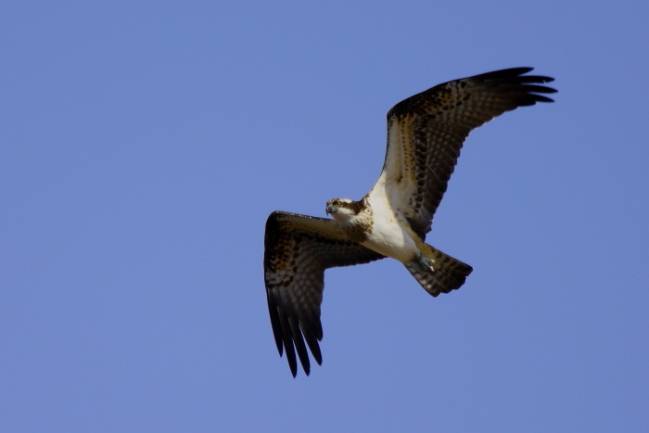
A team of scientists from the GOHNIC Association in the Canary Islands has concluded in a study that human expansion could be one of the main causes of the precarious situation of ospreys in the archipelago, a species at risk of extinction.
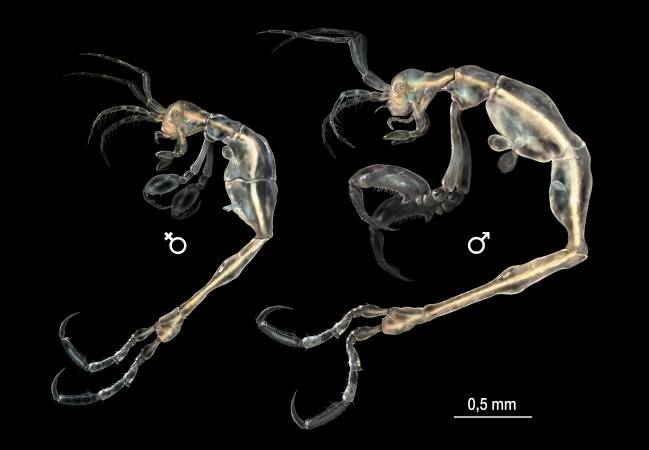
Scientists from the University of Seville and the Museum of Natural History in Canada have described in the journal ‘Zootaxa’ a new species of crustacean on the Californian coast. It is the first ‘micro-shrimp’ of the Liropus genus found in the northeast Pacific.
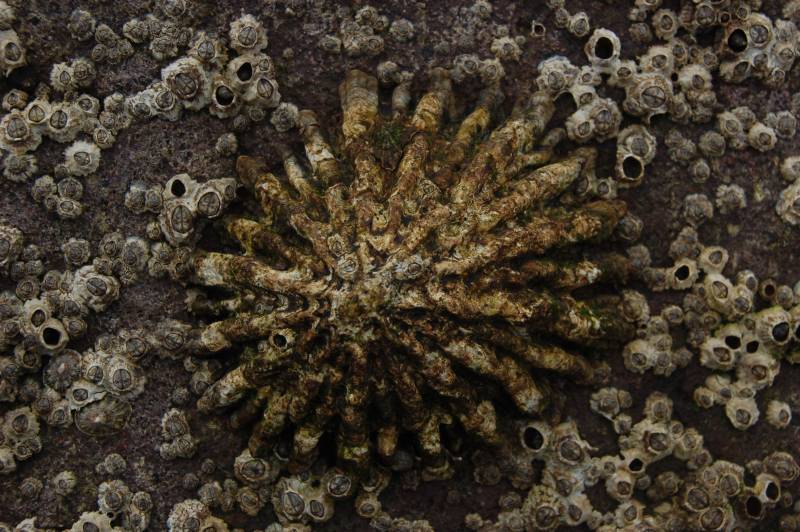
Patella ferruginea. / Javier Guallart.
Lo sentimos, Inténtalo de nuevo más tarde. .