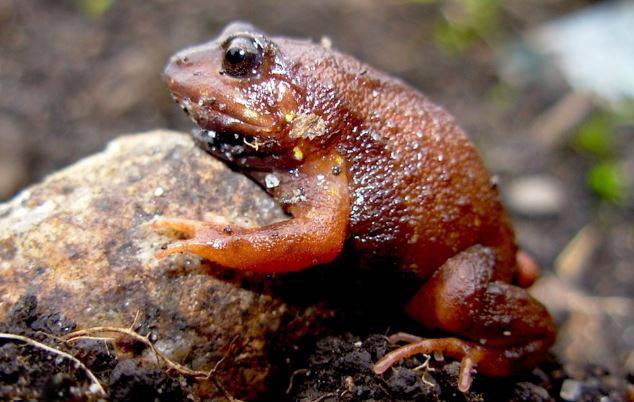
The Andes mountain range hides many biological treasures between its altitudes. One of them is the great diversity of frogs that is coming to light little by little thanks to the work of a Spanish researcher, among others. The biologist has discovered many new amphibian species in the last decade, including a new genus. Its latest finding is that of a small brown frog in the Cordillera Real de los Andes of Bolivia, which due to its limited distribution area should be considered 'vulnerable'.
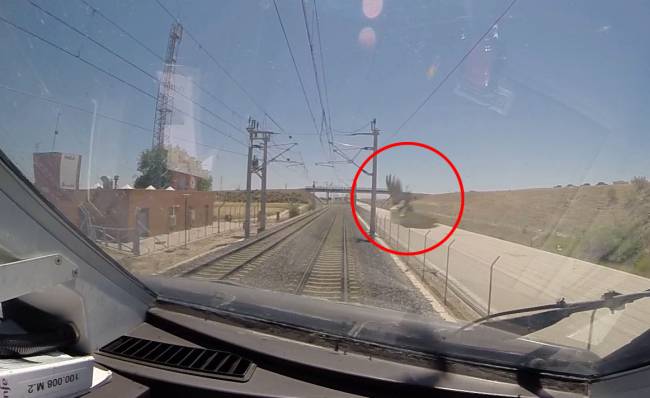
If a high-speed train runs at 185 m/h through little urbanized areas, it is possible that some animals will be surprised in their path. This is the case of birds such as magpies, pigeons, crows or buzzards, whose death due to run over has not been scientifically analyzed or quantified so far. A study has now allowed obtaining the first estimates in Spain.
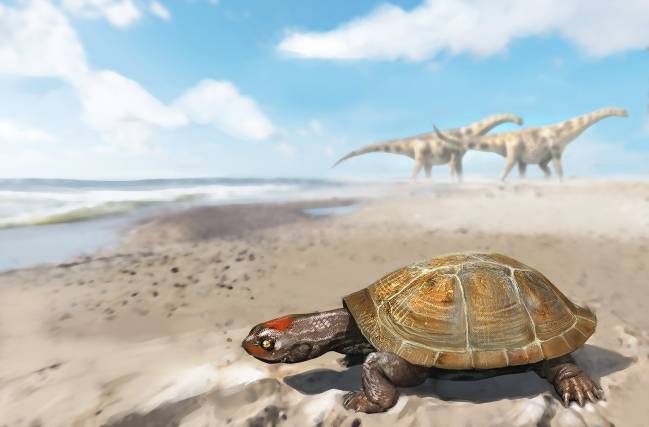
About 95 million years ago, a river turtle adapted to marine environments and made an extraordinary migration from the ancient continent of Gondwana, which grouped what is now Africa and South America, to Laurasia, the Northern continental mass of which Europe, Asia and North America were part. Its remains, found in the town of Algora in Guadalajara (Spain) and in Portugal, are the evidence of the first known dispersal event of a turtle from Gondwana.
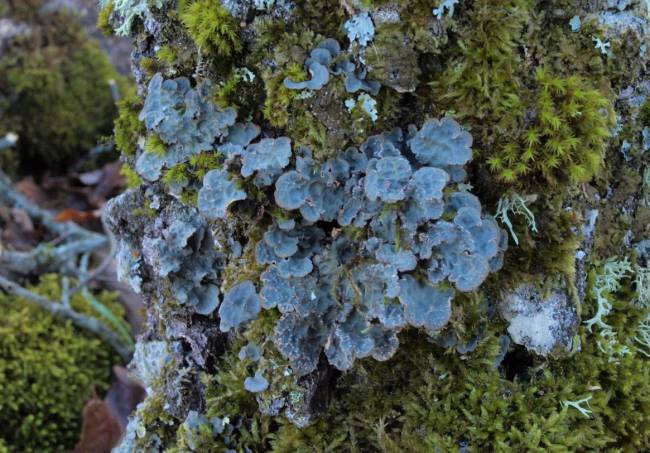
Symbiosis between fungi and microalgae gives rise to lichen. Some lichen, however, such as Lobaria scrobiculata, have a unique feature: the fungus establishes a symbiosis with a cyanobacteria, thus requiring water in liquid form to activate photosynthesis. According to a new study, this forces the lichen to concentrate its resources on reproduction in places where water is scarce. For the first time, this study demonstrates the theory of life strategies in fungi.
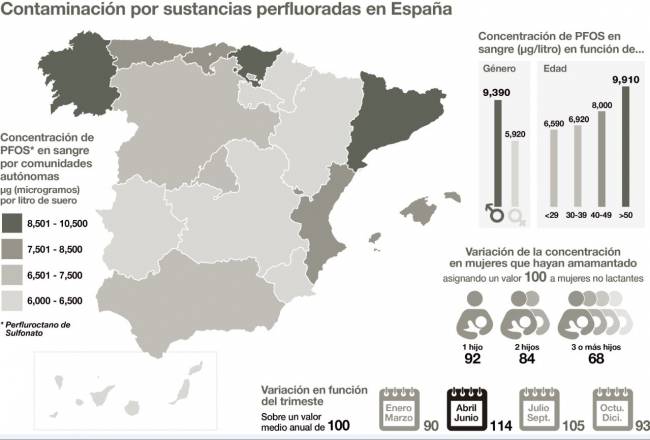
Frying pans, pizza boxes, clothes and textiles are just some of the products which contain perfluoroalkyl compounds, used for their chemical stability and resistance. Their exposure through air, house dust, drinking water and even food, makes them a serious risk for human health. Now a group of scientists reveals the first exposure map of these substances among the Spanish population.
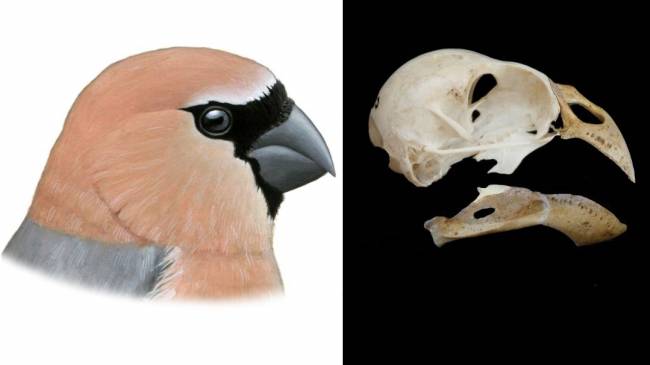
Inside the crater of a volcano on Graciosa Island in the Azores archipelago, in the Atlantic Ocean, an international team of researchers has discovered the bones of a new extinct species of songbird, a bullfinch which they have named Pyrrhula crassa. The remains were found in a small cavity through which time ago the lava flowed. This bird disappeared a few hundreds of years ago due to human colonization of the islands and the introduction of invasive species.
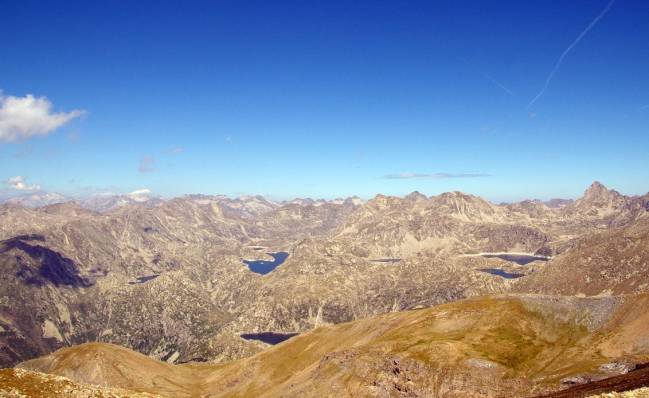
The Iberian Peninsula is undergoing climate change, with temperatures on the rise, and mountain ranges are not exempt from this trend. A team of scientists has analysed regional climate series from the Central Pyrenees for 1910 to 2013 (the most extensive climate records to date for the area), concluding that temperatures have risen at an increasing rate since 1970, particularly in spring and summer.
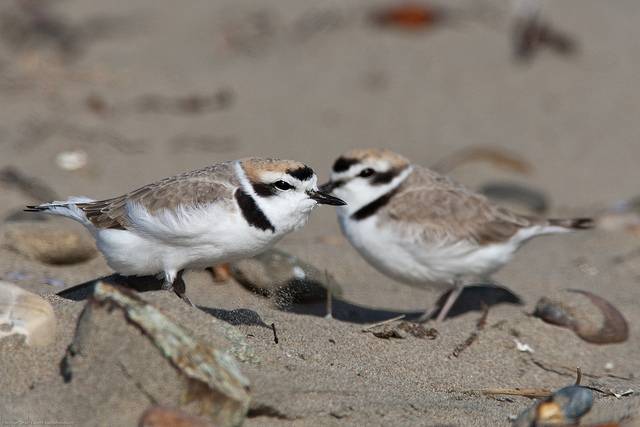
Most bird chicks need parental care to survive. In biparental species the chicks have greater chances of success if both parents participate in this task, especially under hostile situations. An international team of scientists has revealed that when temperatures rise, males and females in pairs of plovers shift incubation more frequently.
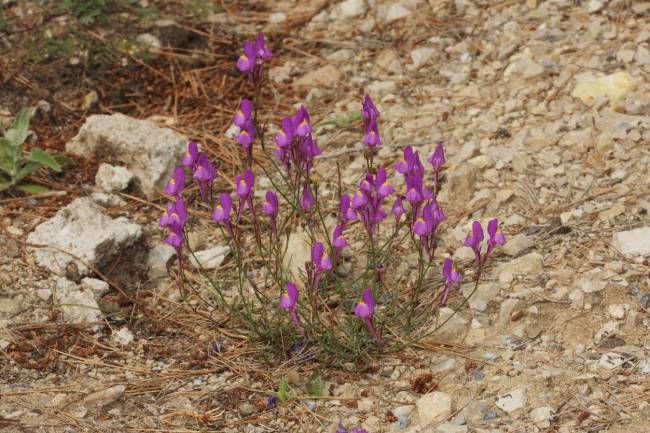
Surprisingly, there are still plant species waiting to be discovered in the Iberian Peninsula. Some are detected thanks to the latest study methods, and others, such as Linaria becerrae, are described when reinterpreting species which are already known. This new plant had been classified by mistake for 176 years in Málaga.
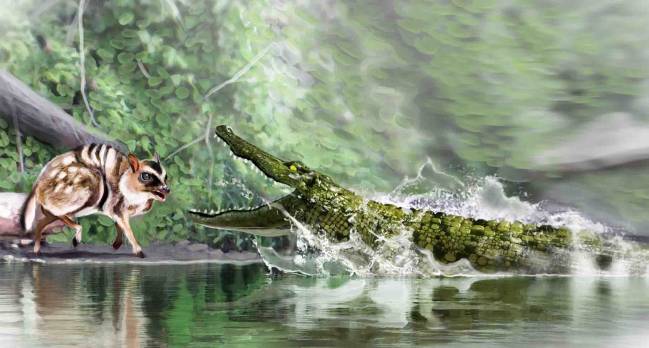
Sixteen million years ago, the reptile Diplocynodon ratelii lived in wooded ecosystems among the lakes and pools of what we know today as Catalonia (Spain). Fossils found at the Els Casots site in the Vallès-Penedès Basin confirm not only that these are the most recent remains of the genus in the Iberian Peninsula, but also that temperatures at the time were higher than today’s.
Lo sentimos, Inténtalo de nuevo más tarde. .