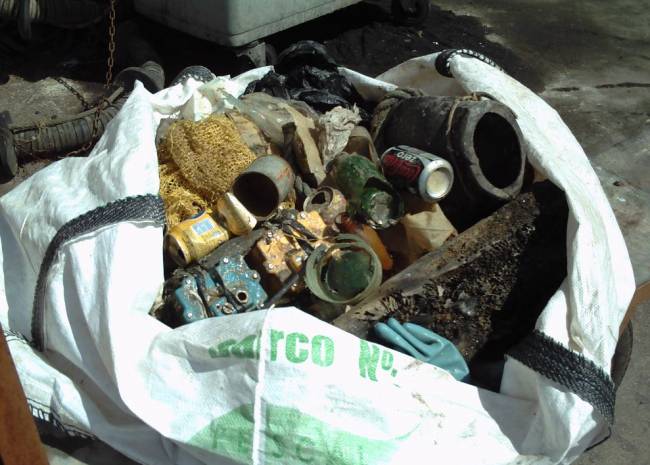
Marine litter is a growing problem in the Mediterranean Sea, but few studies have focused on its composition, spatial distribution and temporal evolution. Now, a new study reveals that, in Spanish waters, plastics are the main component and that density is higher in the Alboran Sea than in the Levantine region or Catalonia, where accumulation has remained stable.
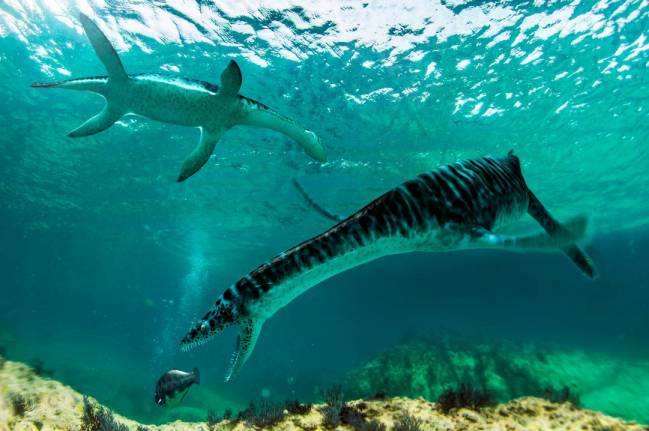
Plesiosaurs, erroneously viewed as dinosaurs, inhabited all the seas between 200 million and 65 million years ago. In the Peninsula, only scarce remains of these long-necked reptiles had been found. Now a group of palaeontologists has found the most abundant collection of fossils in Morella, Castellón. Among them, there is one vertebra that belonged to a type of plesiosaur never before discovered in the country, the leptocleidus.
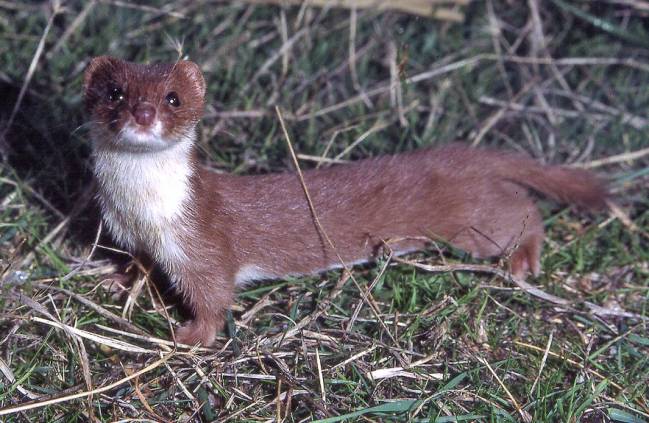
Widely distributed throughout Eurasia and North America, the weasel –the smallest species among mustelids– shows no apparent problems. But a study conducted in the last two decades reveals that this small carnivore is becoming less frequent in the northeast of our country due to the change in land use and climate change.
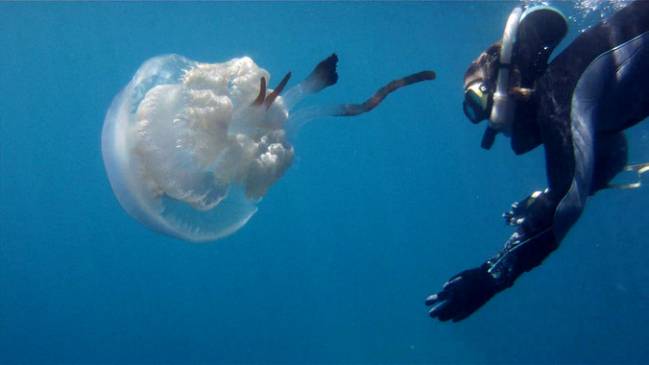
When the Rhizostoma luteum jellyfish was discovered at the beginning of the 19th century in the waters of the Strait of Gibraltar, only nine specimens were identified. For years, it was so inconspicuous that later, in the 20th century, it failed to turn up for six decades. A team of scientists, with the help of a citizen initiative, has now confirmed that it is not really as difficult to find as previously believed.

Tobacco is one of the main sources of toxic substances in the human body. Many people opt for the alternative, the electronic cigarette, to avoid health risks. But a new study reveals that vaping entails the inhalation of inorganic elements, especially rare earth elements, whose toxicity is still unknown.

The persecution of wolves in order to remove them from human settlements has culminated in their near-disappearance in numerous European countries, like Spain and Sweden. Following a recovery of the species, a team of scientists has determined what geographic areas in the Scandinavian country would be most suitable for a redistribution of the specie’s range, in the interests of increasing the social acceptance of wolves.

The pangasius, originally from Vietnam, is one of the most consumed fish in the world for its low cost, mild flavor and fillet presentation without skin or thorns. It is especially requested in school canteens and senior centers. But the toxicological evaluation carried out by a team of Spanish scientists now shows that the mercury content in some samples exceeds all limits, so the consumption of other fish in the child population is recommended.

The bicycle is a cheap and ecological way of transport, and it is also a healthy option. This is why the number of cyclists in cities has increased in recent years, but so has the accident rate. A study confirms that these incidents are caused by a combination of inadequate infrastructures and risk behaviour on the part of drivers and cyclists.
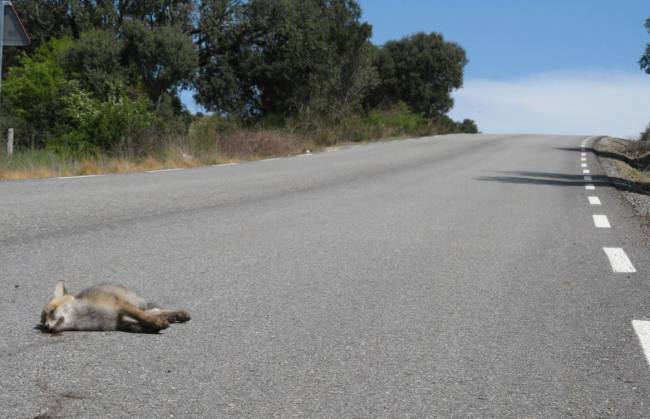
Foxes are one of the main predators of rabbits in Spain, but instead of going to hunt them where they abound, these carnivores prefer roads to find run-over animals or trash. The result is that the foxes themselves are overrun. A team of scientists analyzes the cascading effects that occur on Spanish roads with carnivorous mammals.
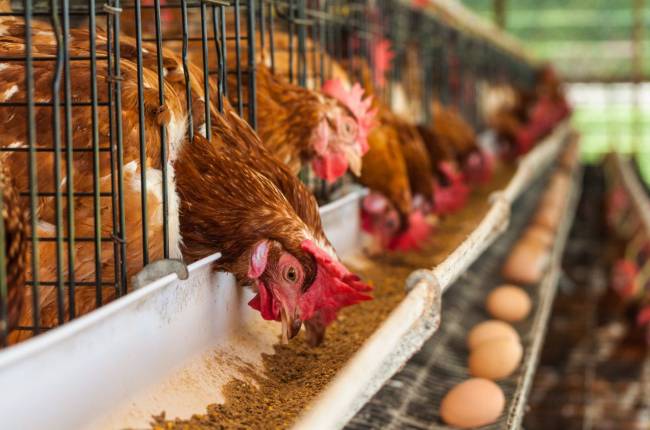
In recent years, egg production has been in the spotlight for animal welfare issues. While in most European countries the number of farms with free-range hens increases, in Spain 93% of laying hens are still caged. Added to this are the effects that the industry generates on the environment. A team of Spanish scientists reveals the environmental cost of egg production in a typical farm in Spain.
Lo sentimos, Inténtalo de nuevo más tarde. .