In addition to being a well-known cleaning product, ammonia is essential in the manufacture of fertilizers that, equally, are necessary to produce food for livestock and mankind. The chemical process to synthesize this nitrogenous compound has hardly changed in 100 years and is still essential for our society, although scientists do not know how to mitigate its negative consequences on the environment.
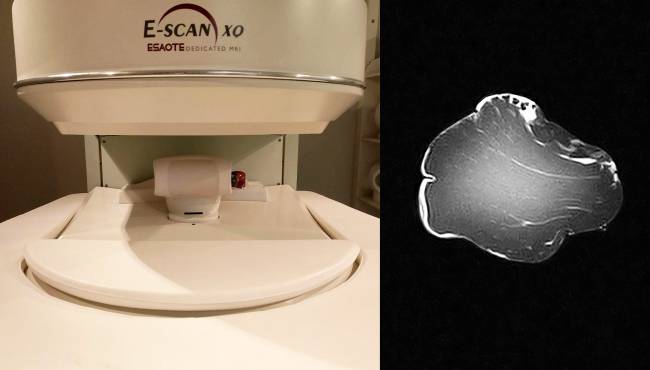
Researchers from the University of Extremadura (Spain) have developed a methodology that allows us to know the properties of hams and whole loins using magnetic resonance imaging, the same non-invasive technique used in medicine. The method has already been made available to the meat industry.
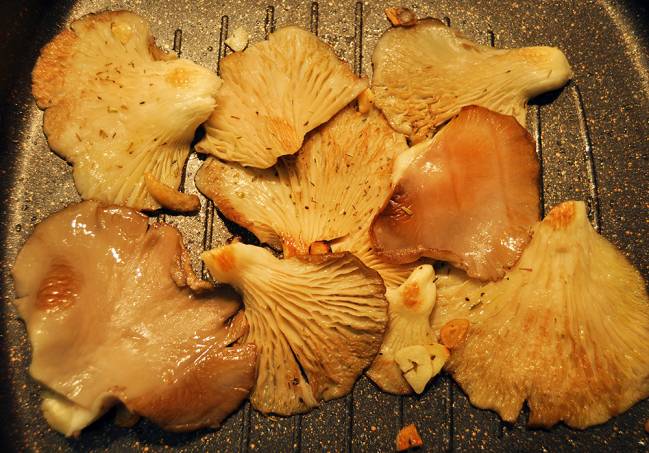
Culinary treatments (boiling, microwaving, grilling, and deep frying) influence on proximate composition and antioxidant capacity of most cultivated mushrooms worlwide. A study by Spanish researchers has shown that microwaving and grilling are the best processes to maintain the nutritional profile of mushrooms.
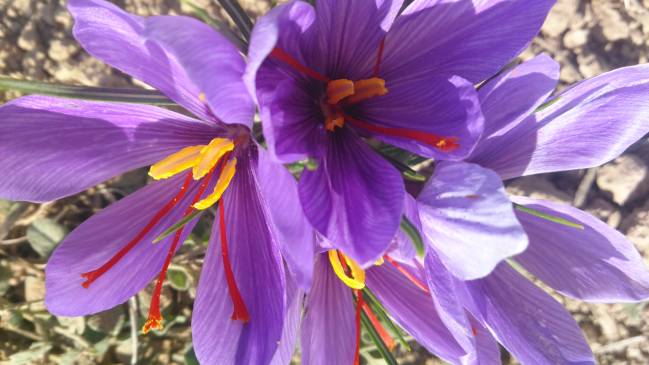
Saffron from Spain is one of the world's most superior varieties, but the majority of this product which is labelled and exported as such originates in other countries. Scientists from the Czech Republic and Spain confirmed this false labelling after analysing 44 commercial products. By using a new technique based on each type of saffron's unique chemical 'fingerprint', the scientists have proved that over 50% of the samples were fraudulent.
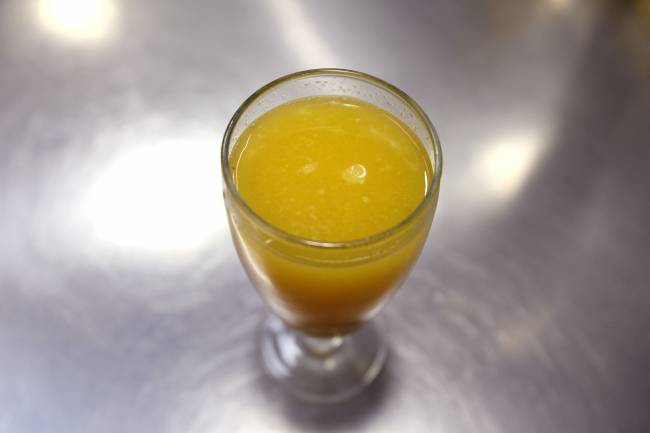
The antioxidant activity of citrus juices and other foods is undervalued. A new technique developed by researchers from the University of Granada for measuring this property generates values that are ten times higher than those indicated by current analysis methods. The results suggest that tables on the antioxidant capacities of food products that dieticians and health authorities use must be revised.
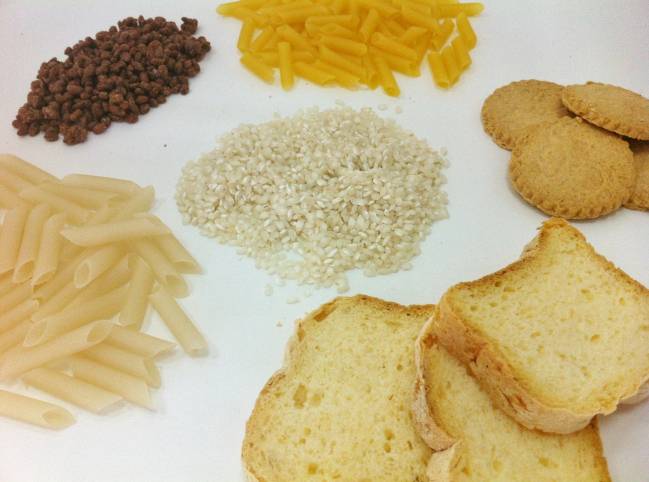
Rice is one of the few cereal grains consumed by people with celiac disease, as it does not contain gluten. However, it can have high concentrations of a toxic substance – arsenic – as revealed by the analyses of flour, cakes, bread, pasta and other foods made with rice, conducted by researchers from the Miguel Hernández University of Elche, Spain. The European Union is working to establish the maximum quantities of arsenic in these products.
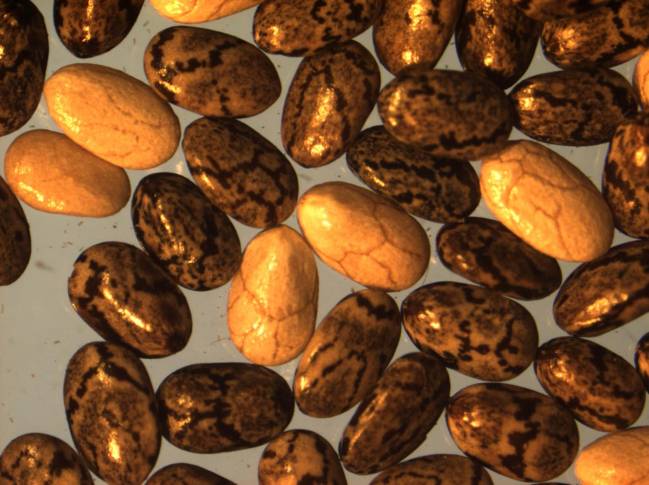
From this year, up to 10% of chia seeds may be included in bread, breakfast cereals and bags of nuts sold in the European Union. The seeds of this herb, which the people of Central America have been consuming for centuries, are rich in omega-3, fibre, proteins, anti-oxidants, vitamins and minerals.
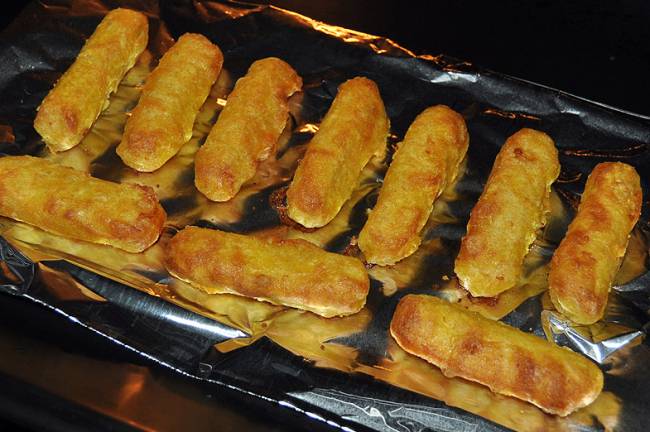
Spanish and Portuguese researchers have discovered that fried fish fingers generate more furanic compounds than those baked in the oven. To be precise, there are three times as many when fried with olive oil and twice as many with sunflower oil. These compounds improve the food’s organoleptic characteristics, but are believed to be toxic and carcinogenic.
Researchers from the University of Granada (Spain) have analysed the presence of patulin, a type of toxin produced by fungi, in several commercial apple juices. The results show that more than 50% of the samples analysed exceed the maximum limits laid down by law. They have also discovered a sample of rice with more mycotoxins than permitted. For their part, researchers from the University of Valencia have also found these harmful substances in beers, cereals and products made from them, such as gofio flour.
Lo sentimos, Inténtalo de nuevo más tarde. .